Scotch

Sheltering at Shene Estate

Posted by: Nick and Ted
shene-estate-whisky-waffle

Seeing that Christmas is nearly upon us, we thought we’d begin this review with a Christmas cracker joke: 

Q. What do you get if you cross a keen back-shed distiller with a passionate architectural restorationist?

A. Shene Estate Distillery. (Come on, it’s at least as funny as any other Christmas cracker joke!)

Whisky maker Damian Mackey met heritage building conservationist David Kernke nearly ten years ago – Damian was looking for a location to make his eponymous whisky, while David was looking for something to diversify his new acquisition, the 19th century property Shene Estate. It must have been fate which brought these two together because, along with their respective families, they have created one of the most stunning distilleries in the Southern Hemisphere, if not the world.
damian-and-david-whisky-waffle

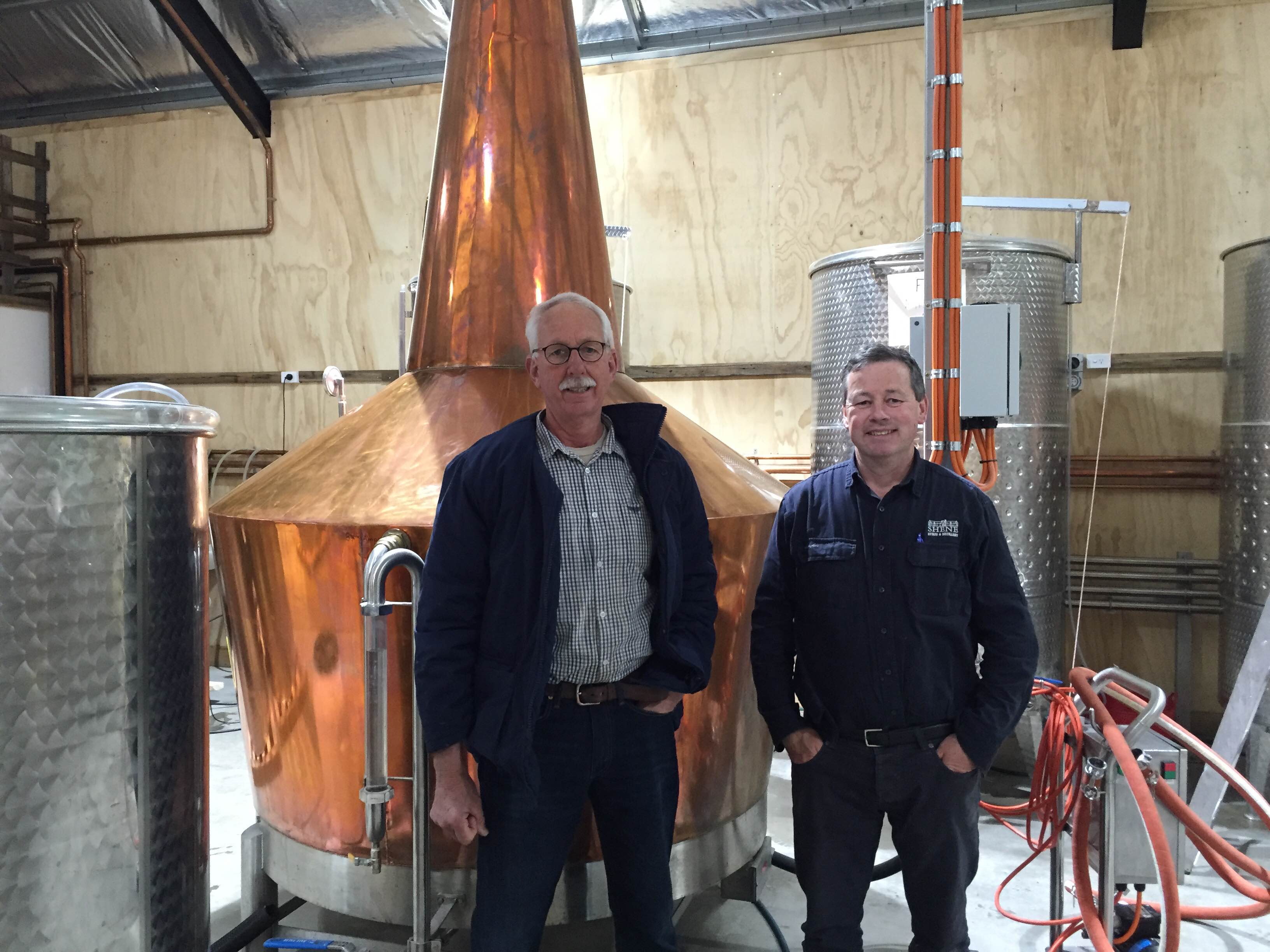
Boys with their toys: L-R David Kernke and Damian Mackey

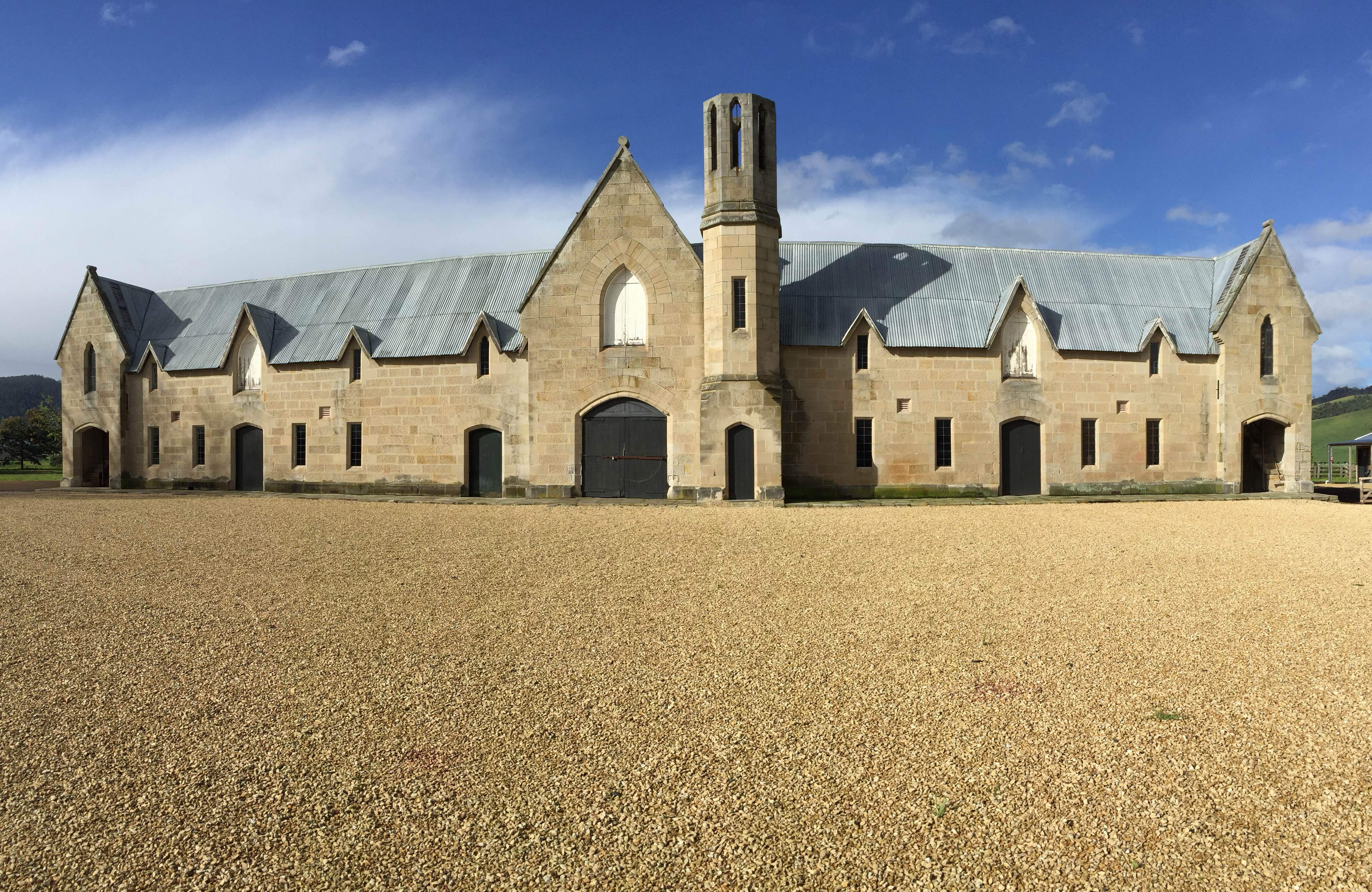
While the main building at Shene Estate looks like a grand mansion, it turns out that it was actually only built to keep horses in, making it one of the more expensive stables ever erected. It was constructed by English lawyer Gamaliel Butler who, as well as having an excellent name, also had a shrewd business sense. He used his wealth and social standing to begin work on a lavish country estate, but died before the main house was constructed, leaving only some outbuildings, including a Georgian Regency era homestead that David and Anne reside in, and the stables – and even that lacked the top of its central turret. Going by the grandiosity of the stables, one can only speculate as to what the main mansion would have looked like if it were ever finished.

shene-stables-whisky-waffle

Proof that that magnificent building is, indeed, a stables

Whisky Waffle was lucky enough to be invited to visit Shene Estate earlier this year and meet the friendly team, consisting of head-distiller Damian Mackey, his wife Madeleine and the Kernke family – David, his wife Anne and daughter Myfanwy. While the reception we received was warm, the weather certainly wasn’t and we were nearly blown off the face of the earth while walking between the stables, the beautiful old barn and the distillery.

Speaking of the distillery, it is housed in a new purpose-built timber-clad shed that was designed to perfectly blend in with the existing 19th century architecture. Despite a third of the room being taken up by a truly epic stack of ex-sherry barrels, we still managed to clap our eyes on some beautiful distilling gear. A run was on the go while we were there, with David manning the still, and it seemed as good a place as any to ride out the storm.

shene-still-whisky-waffle

The still is eager to fill up all those barrels in the background

What the wind couldn’t achieve, the whisky certainly could – upon trying a dram we were totally blown away. Technically, we can’t officially call it whisky yet; what we were lucky enough to sample came from the first ever barrel produced at Shene Estate and was only 18 months old. We are apparently among the first in the world to try the matured spirit, a great honour for two whisky nerds. While the whisky is not yet the finished product, it shows a lot of potential to become one of the greats within the Tassie scene.

shene-barrel-1-whisky-waffle

Barrel number 1. The first of many.

The whisky is to be released under the name Mackey and its point of difference stems from Damian’s Irish heritage in that it is triple distilled. This produces a lighter and more refined spirit, although one certainly not lacking in depth; the style may be Irish, but the character is all Tasmanian. The new make is then transferred into ex-port barrels and stored in the loft of the stables. The solitary barrel currently looks rather lonely up there, but rest assured there are many more on the way.

In fact, the Shene Estate team revealed to us that there are big plans afoot for the future of the distillery. Things have been moving at an unexpectedly rapid pace and Damian told us with a mixture of pride and horror that they have skipped straight from year one to year five on their five year plan. The most exciting consequence of the expansion is the addition of two new stills to create a set of three – one for each distillation.

whisky-waffle-nick-at-shene

And this still will be the smallest of the three!

While the architecture was stunning and the whisky exciting, the real highlight of our visit was meeting the wonderful people who have dedicated countless hours to making a pipedream into a reality. From Damian’s distilling, to Anne’s delicious Poltergeist gin, to Myf’s community engagement, to David straightening each and every piece of gravel in the courtyard, the team has created a unique and fascinating distillery. And even after a long afternoon showing Wafflers around the estate, they still had the energy to deliver us back to our lodgings and deliver David his chicken sandwich to see him through to the end of the distillation run. It’s that level of hospitality that ensures Shene Estate will always have a special place in our hearts.

whisky-waffle-ted-at-shene

Selfies at Shene

Shene Estate Distillery has a road-side stall set up at the estate every Sunday between 10 and 4 which is staffed by friendly family members. Like to see more? You can also book a tour here.

Springbank 15 Year Old

Reviewed by: Nick

springbank-15-year-old

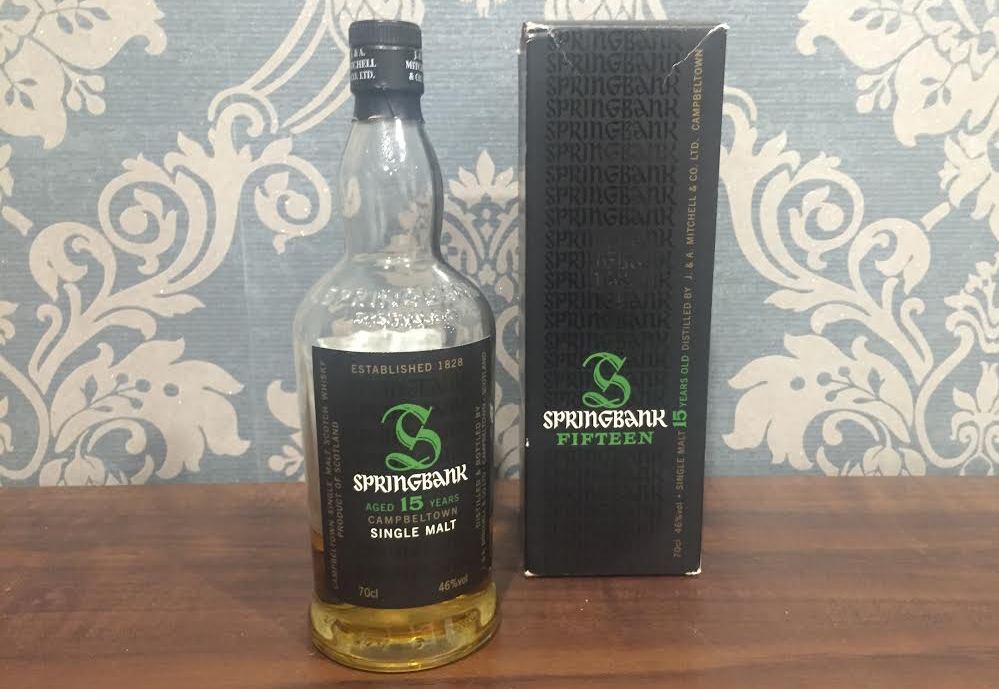
The best drams are those that come with a sense of place. The Islay peat monsters smell like the fresh peaty air of the island on which they were made and taste like the fires the locals use to keep warm in the winter (and the summer). The drops from Speyside are as luscious and floral as the green fields which line the roads in the sunny north east (at least it was sunny the day I was there. Maybe I used up Scotland’s sunshine quota that day…)

Equally, whisky made at Springbank distillery tastes like the town in which it is made. Campbeltown was once a thriving maritime city full of trade, shipbuilding, and of course, fishing. Now, hold your horses there Whisky Waffle. Surely I’m not implying that this dram… is the whisky equivalent of fishing? Crazily enough, that’s exactly what I’m suggesting! And it works. As in really, really works.

Unlike the 10 Year Old Springbank expression, the 15 has spent its extra maturation time in ex-oloroso sherry barrels and the added complexity is clear from start to finish.

On the nose, oily, briny characteristics are immediately noticeable. There is the faintest hint of smoke, perhaps blown in from nearby Islay. The palate is gently spicy, courtesy of its 46% nature. There are flavours of caramel and pineapple contrasting intriguingly with meaty and, dare I say it, fishy aspects. The finish is pleasingly long, really encapsulating the seafaring town with notes of salt and sea-spray.

On this blog, I do boast about a range of things, but even I can’t say I have ever been to 18th century Campbeltown (or even the current 21st century edition for that matter). However, by simply pouring myself a dram of Springbank 15 and closing my eyes (don’t try it the other way around – you’ll waste good whisky!), in my mind I am immediately transported there. I can smell and taste it for sure!

★★★★

Return to Redlands

Posted by: Nick and Ted

1-redlands-whisky-waffle

They grow up so fast, don’t they? When we last visited paddock-to-bottle distillery Redlands in 2014, their spirit was still too young to be released and head distiller Dean Jackson was only just filling barrel number 42.

Fast forward two years and the shelves are stocked with elegant (cuboid) bottles of Redlands paddock-to-bottle Tasmanian single malt and Dean is busy filling bottle number 271. Oh, and did we mention that the distillery has moved 50km up the road to a new site?

2-redlands-whisky-waffle

Knock knock! Wafflers at the door.

After the sale of the Redlands Estate property in late 2015, the distillery was faced with the challenge of finding a new home in just 21 days. After several weeks of stress-filled searching, they eventually settled on what they hoped would be the perfect venue: the heritage listed Dysart House in the small southern-midlands town of Kempton.

From the moment you push open the (heavy) front door you can tell that Redlands has fallen on its feet. The main house is built from beautiful sandstone blocks and the dark timbered interior houses the cellar door, kitchen, a sitting room with high backed leather chesterfields (careful not to slide off – Brigitte likes to keep them well polished) and a glorious blackwood table (which only made its way inside with help from Whisky Waffle’s muscle).

2a-redlands-whisky-waffle

The sitting (and drinking whisky) room

The distillery and bond store can be found in a red-bricked outbuilding off the side of the main house. Redlands’ continued growth is evidenced by the addition of a new still, with the (now) wash still, Heather, joined by new spirit still, affectionately known as the Mad Hatter. The bond store continues to expand, now housing hundreds of 20 and 100 litre barrels that once contained pinot noir, port, sherry and even Tokay.

3-redlands-whisky-waffle

Heather and the Hatter

These days if you visit Redlands, you will be able to try some of the most elegant, drinkable and delicious whisky Tasmania has to offer. Redlands’ signature release is aged in Tasmanian ex-pinot noir barrels and is like drinking apricot jam. The unusual ex-tokay barrel release is broad and full across the palate, oozing with dark berries, while the ex-port barrel, which we tried at cask strength, offers marmalade, honey and vanilla.

4-redlands-whisky-waffle

A wonderful room to drink wonderful whisky

Redlands has changed so much in the last two years, but they have even grander plans afoot for the near future. While the old brick outbuildings are charming and old-worldy, they simply don’t have any space for expansion as the distillery scales up production. The solution to this problem is the construction of a facility in the adjacent field, with work scheduled to begin in 2017. The new distillery will allow for a greater output, allowing the Redlands single malt to be enjoyed by a much larger audience.

The sale of the old Redlands estate could have easily spelled the doom of the distillery; instead it luckily seems to have made it stronger. Who knows what the future will bring, but you can be certain that Whisky Waffle will be back to find out.

6-redlands-whisky-waffle

…and next time we’ll bring Dean a box to stand on in the photo!

Rye Reaps Rewards: Jim Murray’s Whisky Bible 2017

Posted by: Ted

jim-murray

It’s that time of year again folks. Everybody’s favourite golden eyed whisky critic (though to be honest, it’s probably just jaundice from cirrhosis after a lifetime of chugging drams) has sottedly rolled out of his all-expenses-paid cabin in the Kentucky backwoods like a panama-wearing bear and declaimed to the expectant masses his predilections for 2017. It’s like Groundhog Day if Punxsutawney Phil was a bottle of whisky and Bill Murray’s disaffected, grouchy journalist was instead played by another disaffected, grouchy journalistict Murray (oooo… I went there)!

Love him or loath him, Jim Murray’s yearly decreement of the world’s best drams in his ‘Whisky Bible’ never fails to set the whisky world aquiver with fawning adulation or frothing indignation. Last year’s selection of the Crown Royal Harvest Rye as top dog fell well into the latter camp, unleashing a raging wave of aggrieved whisky wankery around the globe. You still couldn’t find a bottle for love nor money five seconds later though…

So, what brilliant, laudable/despicable, corrupt choice has Mr Murray made this time then? Well, let’s just say that the Yanks will be (more?) insufferable (at least those in Kentucky. Tennesseeans will probably be unimpressed).

This year the big tinfoil crown goes to the Booker’s Rye 13yo 68.1% with a score of 97.5/100. Hmm, a rye again… maybe this really is Groundhog Day? Jim apparently described his new favourite as having a ‘brain-draining, mind blowing’ nose with a finish of ‘amazing depth’. Descriptions of trauma to the cranial region are probably not entirely unjustified; we previously reviewed the Booker’s Barrel Aged Bourbon 64.55% and found it delivered a solid punch to the face. To be honest, the extra age on the Rye probably does wonders for the balance, although that will be hard to verify seeing as it will be next to impossible to find by now.

bookers-rye

The Americans also took out third place with the William Larue Weller Bourbon (Bot. 2015), however the Scots are probably celebrating the hardest after finally cracking the top three after several years’ drought, with the Glen Grant 18yo taking second place. Glen Grant recently overhauled their range with a new line-up and fresh, colour-coded look (maybe they’ve been getting tips off The Macallan?). It would seem that the ploy has paid off, also earning the 18yo both the Scotch Whisky and Single Malt of the year.

Poor commoners rolling around in their muddy hovels with the pigs will be delighted to know that the 41 Year-and-Over (Single Cask) section was taken out by Gordon & MacPhail’s independently aged Glen Grant 1950 65yo. Maybe time to sell a few of those grubby little brats, peasants.

We can all give a great big disinterested ‘meh’ to the winners of the Blended Scotch NAS (Ballantines Finest), 5-12yo (Johnnie Walker Black 12yo) and 19-25yo (Chivas Royal Salute 21yo) sections. It’s hard to care much really.

Far more exciting is the winner of the Southern Hemisphere Whisky of the Year (most prestigious award of the lot, ammirite!?), Tasmania’s very own Heartwood ‘Any Port in a Storm’ 69.9%. Hooray for Mr Duckett and his obsession with bonkers cask strength releases! Sucks be to you though if you want a bottle, cos they’re already gone. Actually, I saw a picture today of someone who’d taken a bottle with them to Macchu Picchu and cracked it open for a cheeky dram. Probably for the best really…

Want to weep adoringly or fume indignantly at the best of the rest? Find the full list of Jim’s picks here https://blog.thewhiskyexchange.com/2016/10/jim-murrays-whisky-bible-2017-the-winners/

Rye Reflections: my visit to Belgrove

Posted by: Nick

nick-n-belgrove-whisky-waffle

While casually scanning through the many varied barrels in the bond store end of Pete Bignell’s converted stables, I asked him what he thought his signature expression was. It was a tricky question – I mean, it must be hard to settle on just one drop in a place of such experimentation, innovation and creation. And he looked at me with a grin and told me that his signature expression was exactly that. Not a barrel type, or even a grain; but creativity. I guess when you think about it, what else could possibly link a champion sand sculptor with a leading whisky maker – but creativity?

As we continued to waltz through different age statements, grains, barrel types and peat levels (north-east peated malt: phwoar!) I realised that no two barrels were alike. Each one had its own history and its own story – and Pete knew ‘em all. It’s clear now that embracing the lack of uniformity and instead pursuing creativity is what Belgrove is all about.

The Macallan Fine Oak 12 Year Old

Reviewed by: Nick

macallan-fine-oak-12-year-old

I just can’t get my head around (The) Macallan. While I can very clearly visualise and appreciate the ranges of, say, Glenfiddich, Glen Moray or Glendronach, trying to form a coherent picture of what Macallan is about is as likely to give me a headache as drinking way too much of the stuff. And not just because it doesn’t start with the word Glen…

The contradictions are plentiful: many an old-time whisky drinker will cite Macallan as their go-to drop. Yet the distillery spent a fortune to get a bottle of 50 Year Old in a Bond film. And for some reason they recently ditched age statements in favour of… colours? And yet not too long ago there was also Macallan’s ‘Fine Oak’ range, one such bottle being the subject of today’s review.

I don’t get the point of the ‘Fine Oak’ series. As far as I can tell, it takes its name from the many “exceptional quality” oak casks the whisky was matured in. But… does that mean their older range was dumped into low quality barrels? Somehow I doubt it. It seems to be another rebranding dead-end left by the wayside by an impatient marketing team.

Despite all this, the whisky itself is great to drink. The nose is light, vibrant and contains finely balanced notes of vanilla and lime. The palate is sweet without being sickly and flavours of honey and malt take centre stage. The finish is short without being unsatisfying, with a creamy nuttiness that gently lingers: it’s Kellogg’s Crunchy Nut in whisky form! All up, it’s a brilliantly balanced dram, and one that you could confidently pour to a hesitant whisky drinker.

The biggest disappointment is that this bottle is no longer available – if I were to seek something similar I would have to try a different bottle in the Macallan range. As much as I enjoyed this particular drop, I’m wary to spend up on something else from the distillery. Macallan seems to be undergoing somewhat of an identity crisis and I’m probably unlikely to go and buy a bottle until they sort it out – that is unless I get some pretty convincing recommendations in the comments!

★★★

Heartwood Vat out of Hell

Reviewed by: Ted

heartwood-vat-out-of-hell

As I walked back through North Hobart to my hotel whilst on a work trip, I decided to stop into the Winston to rehydrate. Lo and behold, what did I find waiting on the shelf but a bottle of ‘Vat out of Hell’, one of Tim Duckett’s glorious cask-strength Heartwood creations.

Crafted from a delightful marriage of 10yo Lark sherry barrel and 13yo Tasmania Distillery bourbon barrel and bottled at a robust 67.4%, the Vat out of Hell, like most Heartwoods, is sadly no longer available for purchase. Therefore, stumbling across an open bottle constitutes a rare treat and a responsibility to try some for the betterment of humankind.

I gazed wistfully at the bottle on the shelf and thought ‘well… work’s covered the rest of my drinks tonight [I must admit that I had stopped for liquid sustenance at several other pubs along the way], so what the hell, I’ll treat myself.’

At this point I was feeling a little less analytical and in a bit more of a subjective frame of mind thanks to my nice warm beer coat, but I think that’s probably a good way to tackle a Heartwood. Ride the rush of emotions, don’t overthink it. So, without further ado, here’s what I thought (apparently. I’m glad I at least had the presence of mind to write this down):

The smell is… leathery, which is quite appropriate really… it’s like a box of sultanas left on the bench seat of an old Kingswood ute on a hot summer’s day… a walk through a meadow of spiked wildflowers… fruit leather made out of fruit cake… sun fermented orchard fruit… hot boat decking.

Tastes like timber should… if Easter eggs tasted like this, I’d probably eat them quicker… meat slow cooked for a looong time… dark brown as a flavour… attaches like a happy lamprey to your gums.

Yeah, so long story short, it was bloody good. Better than Meatloaf’s version… If you find some, think with your heart and not your wallet, and you’ll end up transcending to a higher plane of existence.

★★★★

Dalmore 12 Year Old

Reviewed by: Nick

Dalmore 12

In the United Kingdom, something that is passionately loved by half the population while fervently hated by the other is known as being rather ‘Marmite’. In Australia nothing sits more squarely in the love/hate status than Collingwood Football Club. In the movie world, the title goes to Napoleon Dynamite. And in the whisky world, the ultimate love-it-or-hate-it drop could be none other than Dalmore.

For every whisky drinker shouting Dalmore’s merits from the rooftops, I have met another who just cannot fathom the appeal. Even the usually serene waters of Whisky Waffle are rocked by this divide. While we normally agree on most matters whisky related, I am partial to a drop of the stag-bedecked highland malt while m’colleague Ted couldn’t care less that their founder saved King Alexander III from a deer once upon a time (actually, scrap that, he loves the story, just doesn’t want to drink the 12 Year Old)

I rather like the 12 – although I wouldn’t regard it as an everyday whisky. To me, it calls to mind a reasonable cognac (on the rare occasion that I’ve had the chance to try that stuff). I find it distinctly grapey and full of tannins – which I like. However, I get the impression that these same characteristics are what turn Ted – and many others – off the stuff. So my theory is thus: Dalmore is a red wine drinkers whisky. While the Speysides exhibit typical Sauvignon Blanc or Pinot Grigio lightness and crispness – this dram is heavy, complex and extremely dry.

On the nose I get equal measures of ham and raspberry jam – surely a combination that could only be found by a whisky drinker. The palate is slightly yeasty with red grapes and ashy notes. The finish is medium in length and warmth, leaving you with flavours of oak and pastry.

While I could happily sip on this particular drop for an entire evening, I can utterly understand where the Dalmore sceptics are coming from. This is not a whisky for everyone. You’ll either love it or hate it. However, for all those haters out there, can I recommend trying the Cigar Malt Reserve before writing off Dalmore forever – now that is a proper whisky.

And even if you still don’t like it – you’ve got to admit – Dalmore bottles are beautiful.

Nick’s rating: ★★★

Ted’s rating: ★★

Four must-visit Scottish whisky distilleries

Posted by: Nick

Nick in Scotland

So you’ve travelled to Scotland. You’ve climbed to the top of Edinburgh Castle, eaten a plate of Haggis and failed to find the Loch Ness Monster. Your Scottish experience is complete but for one final destination. The country is synonymous with several things – including men in skirts and losing at football – but most famously of all, it is known for its whisky. Therefore on your travels it is compulsory to stop in at one or two distilleries and see exactly how the stuff is made. Of course, that means narrowing it down to one or two from the hundreds of options – not an easy task.

It was not long ago that I made a trip to whisky’s spiritual home (pun entirely intended) and thought I would share a few of my recommendations to check out after a hard day’s not-spotting Nessie.

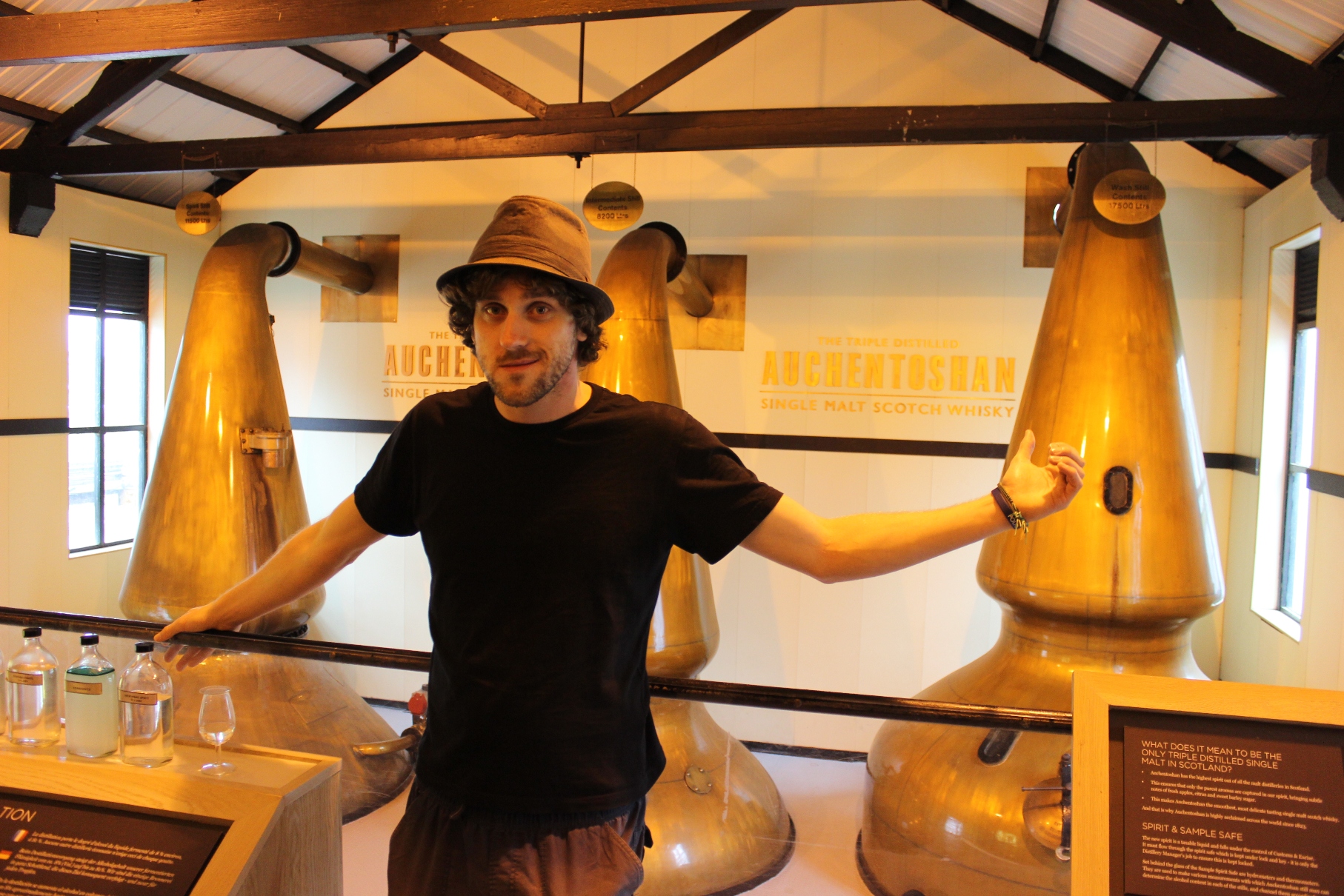
Auchentoshan:

Auchen

This distillery is as accessible to visit as the whisky is to drink. Located just outside of Glasgow, Auchentoshan is right on the way for tourists looking to explore Loch Lomond or venture into the highlands. The distillery itself is extremely pretty and the friendly staff run a slick tour. The tasting session at the end covers the core range, though if you’re lucky they may find you something special to try behind the bar. The drams themselves are easy drinking and perfect for those who are slightly hesitant about whisky!

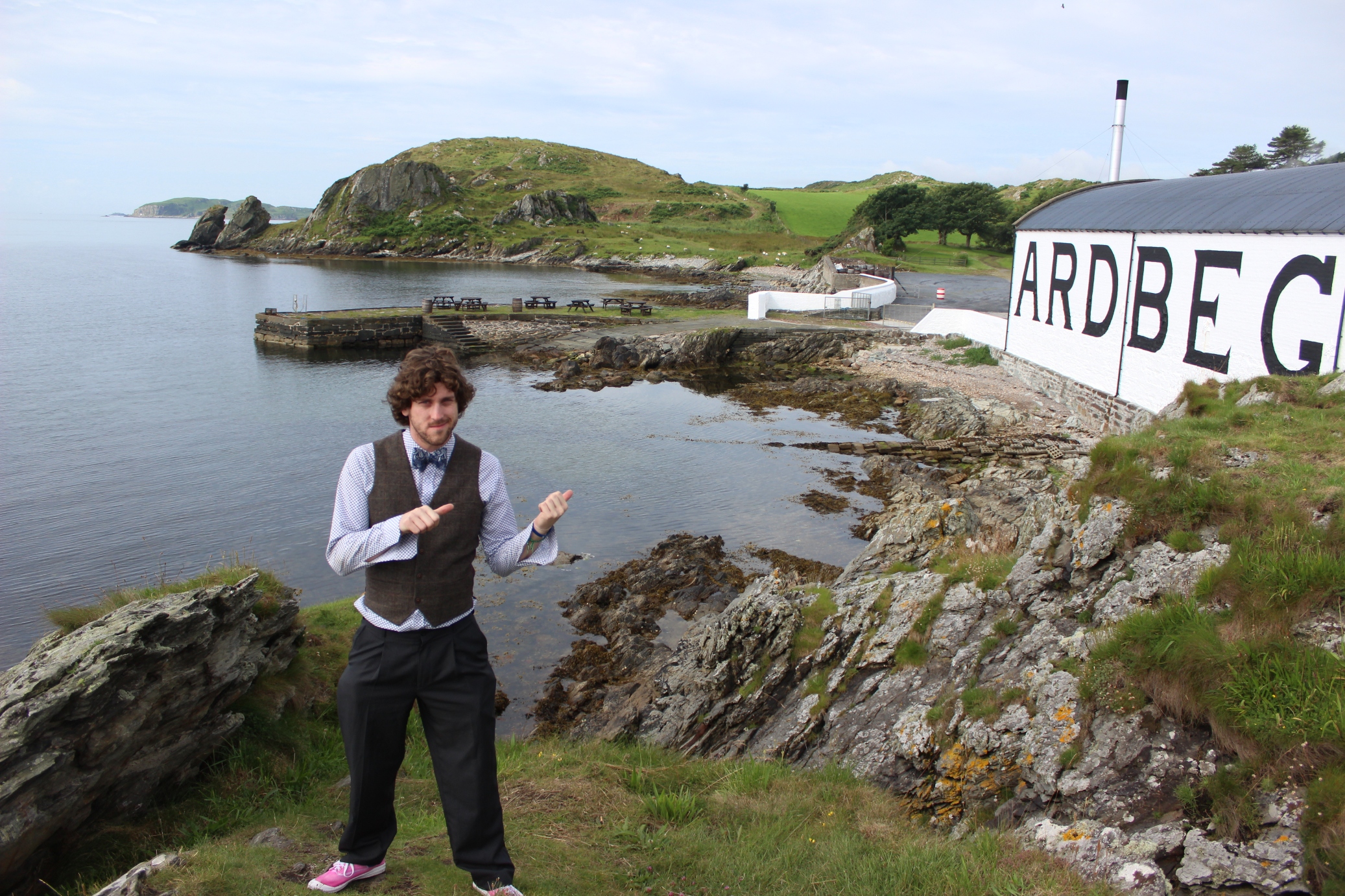
Ardbeg:

PE Ardb

The ultimate fanboy distillery. If you’re keen on your peated whisky then a trip to Ardbeg should be the number one priority. Granted, it is on a little island off Scotland’s west coast, but is the most magical place when you get there. Every corner of the distillery emanates old world charm, and if you select a premium tasting session, some of the drams they bring you in their little back room are mind-blowing. Ardbeg are famous for producing rare one-off bottlings which, unless you happen to be mates with the distiller, you are unlikely to get to try too many of. Do the tour, however, and who knows what you may find – Ardbog, Alligator, Supernova, Dark Cove… one dram of any of these makes the price of admission worthwhile.

Supernovas

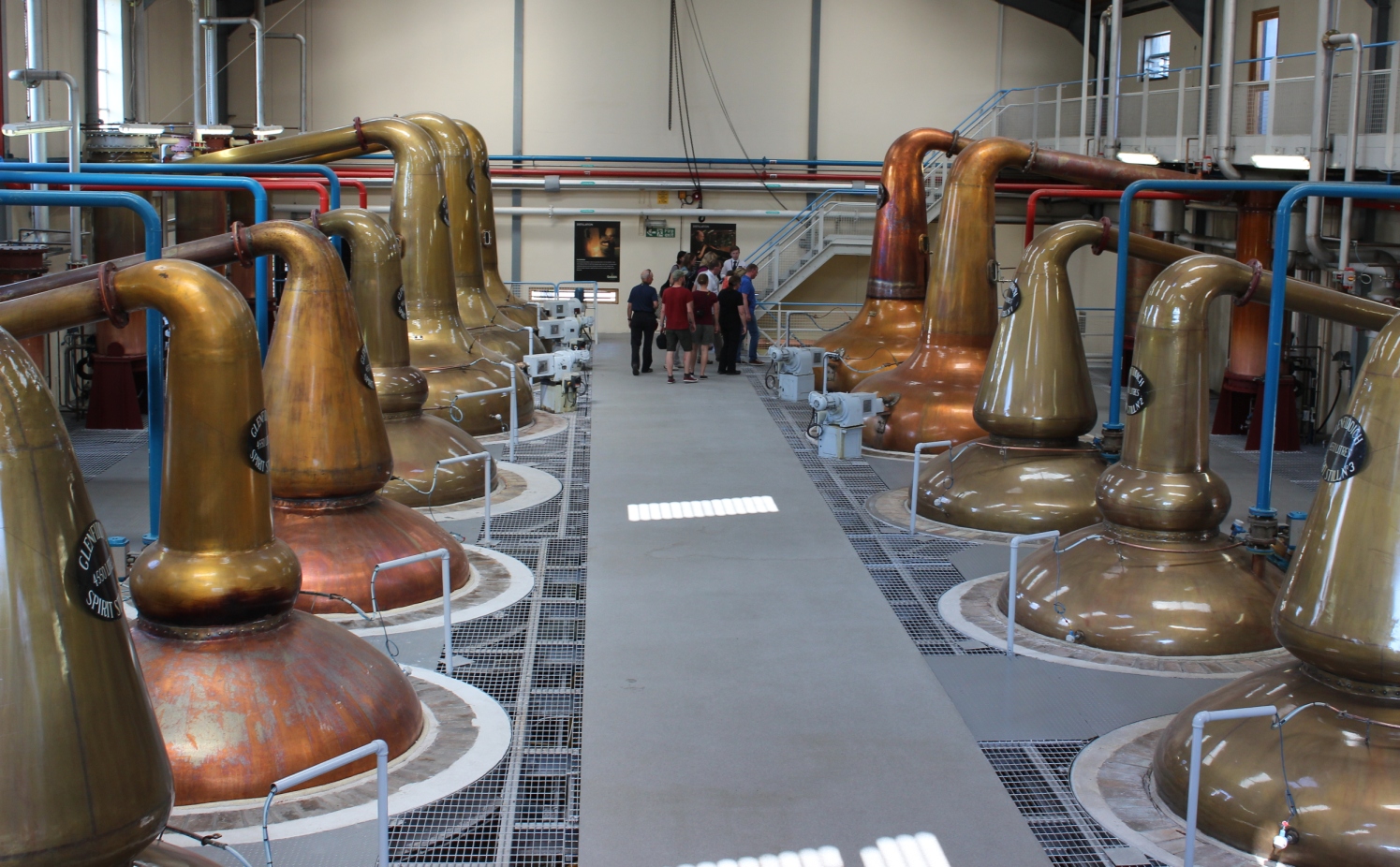
Glenfiddich:

To get an idea about the scale of the Scottish whisky industry, do the tour at Glenfiddich. They are the largest producer of single malt in the country and their distillery, therefore, is huge! Twenty-eight stills are in operation, each big enough to make Lark’s copper pot look like a key ring. There really is a sense of awe as you walk among the machinery and through the bondstores. It’s certainly a popular one, with thousands of tourists going through the establishment each day, however if you spend a couple of extra pounds they’ll put you in a smaller, more intimate group and give you the added bonus of checking out warehouse 8 – the Solera facility – where you can see them vatting vast amounts of whisky to create, among other bottles, their 15 year old. The tasting that follows walks you through the 12, 15, 18 and 21 Year Old expressions – yes, that’s right, 21 year old! Not all distilleries churn out a 21 year old regularly on a tour.

Glen Stills

Bruichladdich:

A trip to Bruichladdich is the perfect whisky experience. Firstly, the staff are some of the coolest and most entertaining people in the business. Secondly, their equipment, in particular their mash tun, is all beautifully ancient. It’s like an antique shop where the gear comes alive at night when the owners leave! Finally, and most importantly, there’s the tastings. Oh man. Bruichladdich are famous for innovation and experimentation, the result of which is a large number of fascinating whiskies to try. A rum matured whisky – can I try that? Sure! A new Octomore – do you mind if I… Go for it! How about that double matured… Get it down you! In short, a trip to Bruichladdich is compulsory if you ever find yourself in the area – and by the area, I mean in the Northern Hemisphere!

Bruich

These are, of course, just four of my picks based on one visit and I realise that as far as excellent distilleries go I am barely scratching the surface. So what places have you been to that you would recommend people make it along to? Let me know in the comments and I’ll see if I can hit them up on my next trip to the whisky motherland!

Warehouse 8


Hellyers Road Peated

Reviewed by: Ted

Hellyers Road Peated

So, you’re a big fan of peated Scottish single malts, but in order to save the world from certain destruction (just go with it, ok?) you have to buy a Tasmanian whisky. What are you going to do? Never fear, Hellyers Road has your peat needs covered with their appropriately named Peated expression

When it comes to peated whisky in Tasmania, the situation is a little more complex than first meets the eye. Tasmania actually has its own peat bogs, however the smoke is quite different to the Scottish stuff, being softer, gentler and more rounded. It is also restricted to a few distilleries that own leases to the bogs (the rest is locked up in national parks and the like).

In Hellyers Road’s case they don’t have access to a native bog, so instead they import peated barley all the way from maltings in Inverness, Scotland. The side-effect of this is that Hellyers Road Peated is much more closely aligned to Scottish drams than other Tasmanian malts (side note: Hellyers Road use local grown barley for their non-peated expressions).

Nosing the Peated expression is like standing in a grain storehouse, grabbing a big handful of peat-smoked barley and taking a deep sniff. Underneath the big, fat, bold, smoky cereal flavours can be found cocoa, black currants, pencil shavings and smouldering leaves.

The first layer of taste is what you would probably expect from a heavily peated whisky – strong, thick smoke that billows around the mouth, a bit like standing on the wrong side of the campfire. When you clear away the smoke however, you are left with a light, smooth and slightly sweet dram, without too much else going on. The finish is long and smoky, but gentle. In fact, the smoke probably rounds out the feel of the dram as a whole, smoothing out some of the harsher edges that can be found in a younger whisky such as this.

When compared to a traditional Islay single malt like Laphroaig or Ardbeg, the Hellyers Road Peated perhaps misses some of the strong coastal flavours that punch through from underneath, but makes it up in other areas. A light whisky, heavily peated, this Hellyers Road expression delivers a different experience to anything else available from Tasmania.

★★★

HR n Ted

Tasmanian whisky: One state. Three ingredients. Unlimited flavour.

#TasWhiskyWeek