opinions

Confessions of a Geriatric Whisky Newbie Part 2

Posted by: Chris AKA the Geriatric Newbie

(Part 1 appeared here as ‘Queries from a first time Waffler’)

I’ve been a seasoned whisky drinker for over three months now, so it’s time to look back on the journey so far. If ‘seasoned’ is the right word to use, rather than just ‘pickled’.

To recap: I took up whisky drinking rather late, at the age of seventy, as part of a search for a relaxing and hopefully slightly disreputable hobby to help brighten up the declining years. Somewhat unexpectedly, what began as a plan to buy just two samples and test the waters rapidly expanded into a collection of over thirty bottles. Perhaps there was a need to make up for lost time in the search for the perfect drop. Or perhaps I was corrupted by reading Whisky Waffle? Yes, that must be it – it couldn’t possibly be all my own fault. But the two biggest factors have been that the research is fascinating and, it has to be said, it can be a lot of fun having a hobby that you can drink.

I can’t claim that money was no object – some whisky enthusiasts can apparently afford truly crazy money in pursuit of their passion – but I did have enough saved up to be able to build a small collection without being restricted to only the cheapest varieties. The whiskies I’ve accumulated include some single malts and (whisper it….) some blends. The least I paid was $35 for a Ballantine’s Finest and the most expensive bottle, so far, was $114 for an Aberlour A’bunadh.

For the record, I bought blends from Ballantine’s, Chivas, Dewars, and Johnnie Walker. And Irish Whiskey from Jameson, Bushmill and Teeling. The single malts range from the Lowlands of Scotland to the Highlands and some from Speyside, plus a couple from Islay. Finally, some from Penderyn – the only distillery in Wales.  I hasten to add that they’re not all open yet. Didn’t know that I was capable of such restraint. At least, I’m fairly sure there’s one still sealed somewhere… exploring other parts of the world, naturally including Tasmania, will come later.

But where should a newbie begin? One can only hope to scratch the surface of the hundreds, if not thousands, of whiskies now on the market. So many decisions to make. Do I want to become the sort of afficionado who will only sip the finest single malts, and actively enjoy getting snooty and sniffy about blends? Or will I aim to become a party animal who will try anything provided it’s sloshed into a glass with enough cola? Despite what I initially imagined, it appears that drinking blended whisky, and also adding some kind of mixer, is by far the most popular way of enjoying it worldwide. Apparently, historically it always has been. Despite the rise in popularity of  single malts over  the past few decades, over 90% of the output of the Scottish distilleries still goes into blended whisky.

Confession02Pic01

Attempting the correct style of snooty face

Soooo…. This whisky business might be more complicated than I thought. It seems that I will not only be chugging it down neat, delightful though that is. Maybe some long whisky drinks could be just the thing for summer. I could try some tentative experiments with some of that Ballantine’s or perhaps the Johnnie Walker Black Label. That’s not a hanging offence, is it?? I might experiment with a range of mixers – in particular, soda, dry ginger, cola and coconut water. Yes, apparently coconut is very big as a whisky mixer in some parts of the world. Green tea too. Who knew? Not me, until I started doing the reading. Of course, soda, dry ginger ale and other mixers have always been popular, even in relatively traditional circles. Adding soda or ‘dry’ to the whisky was certainly the mainstream fashion among adults when I was a boy. Admittedly that was back in the middle of last century, so things may have moved on a bit….

I bought a variety of whisky books, including a couple by the splendid Charles MacLean. Also The World Atlas of Whisky and Whisky: The Manual, both by respected whisky writer Dave Broom. All are good value, and they point out that whisky has a long and venerable history as a mixer. Indeed in the early days it was almost exclusively drunk mixed with a variety of herbs, spices and other ingredients. Maybe it was too rough to get down neat? So, mixing is neither recent nor sacreligious! Good to know that. Nick and Ted may disagree though. I may even get evicted from their Tasmanian Temple of Tippling for mischievous mixing. Holding my breath now…

Of course some drinkers have always liked their Scotch neat or with a splash of water, but the big marketing push to sell single malt Scotches to the world as a solo drink apparently began in the late 1970s and early 1980s. According to Charles Maclean and Dave Broom, two factors drastically reduced the demand from the whisky blenders who had previous bought the majority of the output from the distilleries.  Firstly, a slump in the global economy and secondly the rapid rise in popularity of competing spirits such as vodka, white rum, etc. and of course wine. So the makers needed to look for an additional way of marketing their products. Building new market images for their single malts was the answer. Lucky us. Even at this early stage I’ve sampled some very nice single malts that I probably won’t be trying with cola just yet.

But which styles will make the cut? Neat Johnnie Walker Green label? Auchentoshan Three Wood? Will Lagavulin and Coke make the grade? Ballantine’s and coconut juice? Place your bets now, and stay tuned. Many thanks to Nick and Ted for the chance to waffle on.

Cheers to all.  Chris.

Fortunately, as you can see, all this dedicated whisky testing has had no noticeable effect on me at all. Just lucky I guess.

Confession02Pic02


Sprinkbank Gaja Barolo Cask

Reviewed by: Nick

springbank-gaja-barolo

This unique little gem from Campbeltown’s Sprinkbank Distillery is a fascinating drop in that every time I sample it, it tastes different! No, I don’t think it is rapidly changing in the bottle, oxidising or degrading. I think it just messes with your head.

Let me just provide a bit of context. The Gaja Barolo Cask is part of the limited edition ‘Wood Expressions’ series which, as well as making me snigger immaturely, sounds rather interesting. The bottle in question takes the Springbank spirit and ages it for four years in refill ex-bourbon casks before being transferred into ‘fresh Gaja Barolo casks’ where it remains for a further five years in Campbeltown’s seaside atmosphere.

For the uninitiated (like me before I did my research), Gaja is an Italian wine producer and Barolo is a light red grape. Both aspects make this a very specific maturation for the whisky and one unlikely to be replicated any time soon.

Completing a list of tasting notes for this bottle is a tricky task due to the aforementioned chameleon nature of the dram. If I have just had a light Speyside number then I notice a whole heap of peat on the nose. If I’ve just had a highland dram then I discover raspberries and cream. The palate is sometimes spicy – it is bottled at 54.7% – but other times goes down smoothly and evenly. Occasionally I notice the oily maritime notes although often I find flavours of lemons and oranges. The finish usually lingers, with a wisp of smoke or hint of chocolate.

The bottom line is, no matter the flavours I get out of it, I’ve always enjoyed this dram. Sure, I haven’t been able to put my finger on its true nature, but that just adds to the fun. It is a mystery of a dram. I’ve still got a third of a bottle left – feel free to stop by and help me solve it.

***

(Although sometimes ****)

Ardbeg 10 Year Old

Reviewed by: Nick and Ted

ardbeg-10

There are certain whiskies that a blog should have in its pages and until now we have been found wanting for this particular dram. Its label rather audaciously claims that not only is it the best whisky on Islay, but is in fact among the best in the world. The funny thing is, we’re actually hard pressed to disagree with it.

The Ardbeg 10 Year Old makes an excellent case for the younger whisky. Generally we equate greater age with greater excellence, but this dram proves that this is not always the case. There is something about the raw, youthful energy in the 10 Year Old that allows the peat monster to really roar and we can’t help but feel that if it was left in the barrel for a few years longer then some of the magic would be lost.

We took it upon ourselves to sample the Ardbeg 10 quite extensively (read quite extensively) and came up with a comprehensive set of tasting notes. We didn’t quite comprehend how wonderful these notes were until we read them back the next day. Normally we don’t present tasting notes in isolation, but these are too good to intersperse with waffle.

Nose: South-east Asian mystery meat, peanuts, satay, bitumen road surface, earthy ashes, digging up a hangi, nashi pear, fizzy apple, melon, honeydew, honey and heavily perfumed plant.

Palate: Smoke (go figure), BBQ sauce, Worcestershire sauce, gingerbread, “there’s a pear in there”, oregano, home-made potato chips, cardamom, cloves and nutella fudge.

Finish: Fiery, spicy, hot, warm and lingering.

Subsequent tastings have not yet turned out quite as many creative thoughts about the 10 Year Old; however we unashamedly stand by what we said in the heat of the moment (mostly).

We have mentioned that the Ardbeg 10 Year Old compares impressively with much older drams, but what if the field was narrowed to only it’s 10 year old contemporaries. For us, the only possible contenders are cross-town rivals Laphroaig and fellow peat-pal Talisker. But if we’re honest, Ardbeg leaves them both in the shade: we truly believe you won’t find a better 10 Year Old whisky on the planet.

★★★★

#IsalyWeek

#LetsGetPeaty

Sheltering at Shene Estate

Posted by: Nick and Ted

shene-estate-whisky-waffle

Seeing that Christmas is nearly upon us, we thought we’d begin this review with a Christmas cracker joke: 

Q. What do you get if you cross a keen back-shed distiller with a passionate architectural restorationist?

A. Shene Estate Distillery. (Come on, it’s at least as funny as any other Christmas cracker joke!)

Whisky maker Damian Mackey met heritage building conservationist David Kernke nearly ten years ago – Damian was looking for a location to make his eponymous whisky, while David was looking for something to diversify his new acquisition, the 19th century property Shene Estate. It must have been fate which brought these two together because, along with their respective families, they have created one of the most stunning distilleries in the Southern Hemisphere, if not the world.

damian-and-david-whisky-waffle

Boys with their toys: L-R David Kernke and Damian Mackey

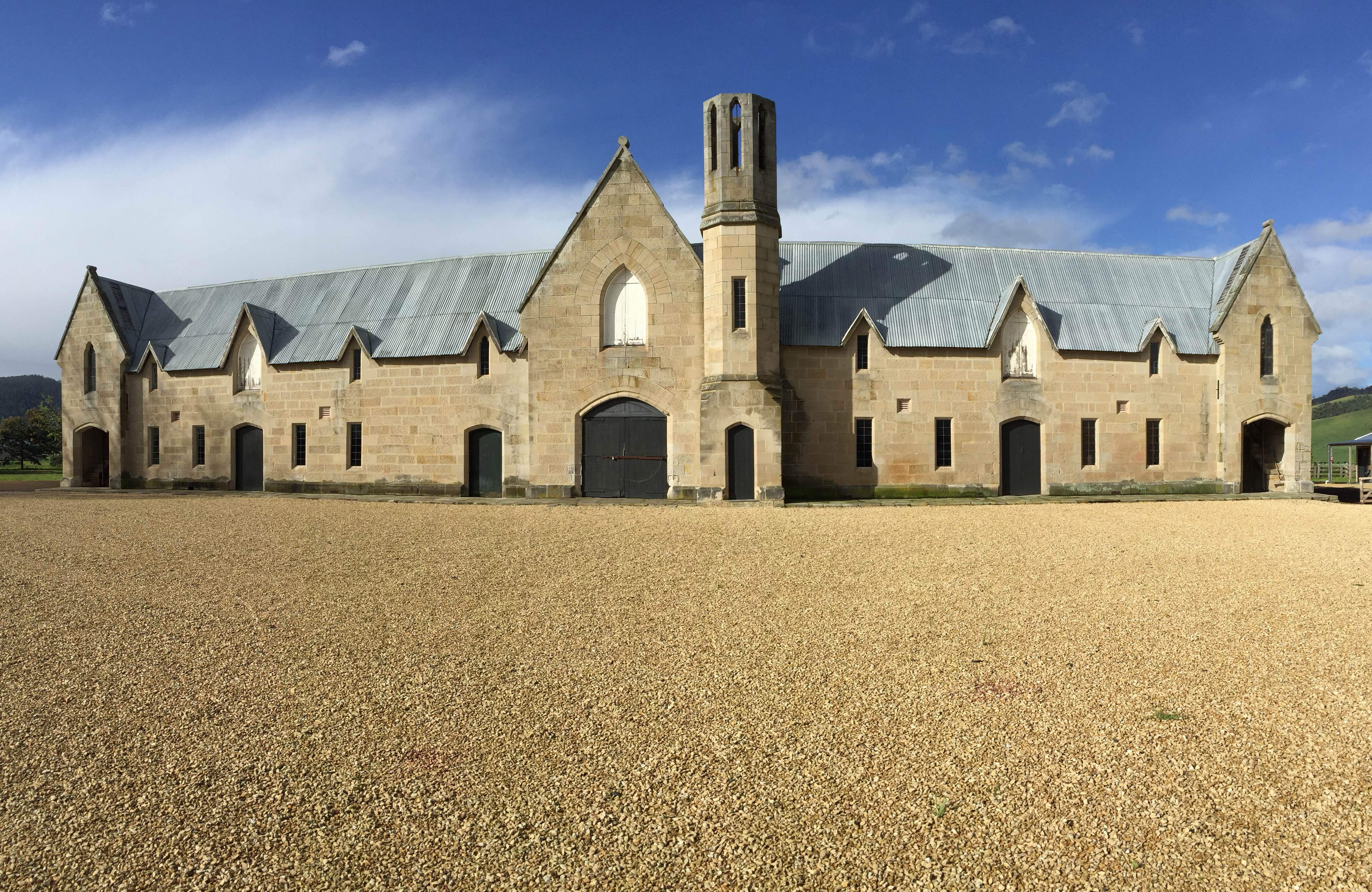
While the main building at Shene Estate looks like a grand mansion, it turns out that it was actually only built to keep horses in, making it one of the more expensive stables ever erected. It was constructed by English lawyer Gamaliel Butler who, as well as having an excellent name, also had a shrewd business sense. He used his wealth and social standing to begin work on a lavish country estate, but died before the main house was constructed, leaving only some outbuildings, including a Georgian Regency era homestead that David and Anne reside in, and the stables – and even that lacked the top of its central turret. Going by the grandiosity of the stables, one can only speculate as to what the main mansion would have looked like if it were ever finished.

shene-stables-whisky-waffle

Proof that that magnificent building is, indeed, a stables

Whisky Waffle was lucky enough to be invited to visit Shene Estate earlier this year and meet the friendly team, consisting of head-distiller Damian Mackey, his wife Madeleine and the Kernke family – David, his wife Anne and daughter Myfanwy. While the reception we received was warm, the weather certainly wasn’t and we were nearly blown off the face of the earth while walking between the stables, the beautiful old barn and the distillery.

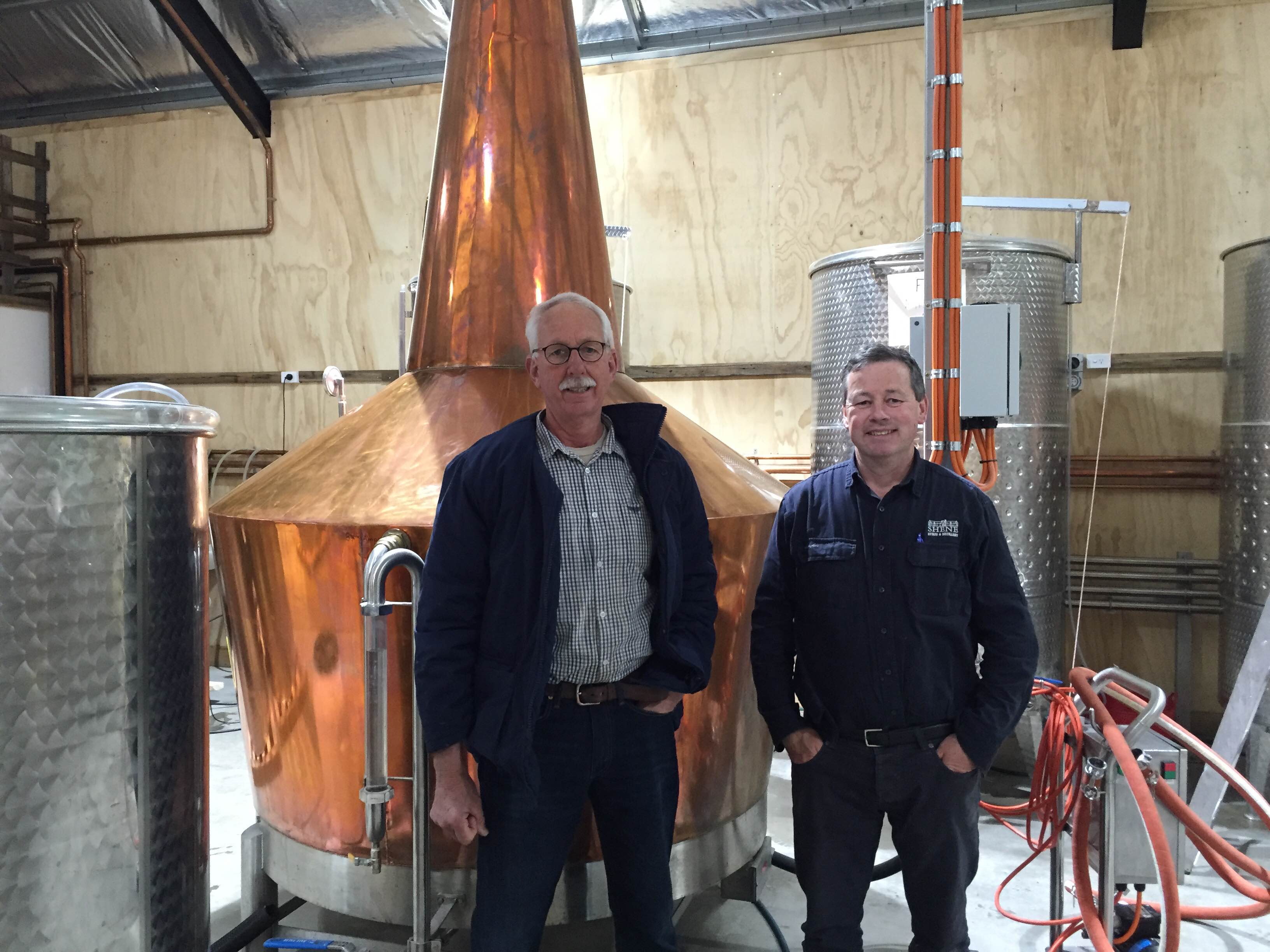
Speaking of the distillery, it is housed in a new purpose-built timber-clad shed that was designed to perfectly blend in with the existing 19th century architecture. Despite a third of the room being taken up by a truly epic stack of ex-sherry barrels, we still managed to clap our eyes on some beautiful distilling gear. A run was on the go while we were there, with David manning the still, and it seemed as good a place as any to ride out the storm.

shene-still-whisky-waffle

The still is eager to fill up all those barrels in the background

What the wind couldn’t achieve, the whisky certainly could – upon trying a dram we were totally blown away. Technically, we can’t officially call it whisky yet; what we were lucky enough to sample came from the first ever barrel produced at Shene Estate and was only 18 months old. We are apparently among the first in the world to try the matured spirit, a great honour for two whisky nerds. While the whisky is not yet the finished product, it shows a lot of potential to become one of the greats within the Tassie scene.

shene-barrel-1-whisky-waffle

Barrel number 1. The first of many.

The whisky is to be released under the name Mackey and its point of difference stems from Damian’s Irish heritage in that it is triple distilled. This produces a lighter and more refined spirit, although one certainly not lacking in depth; the style may be Irish, but the character is all Tasmanian. The new make is then transferred into ex-port barrels and stored in the loft of the stables. The solitary barrel currently looks rather lonely up there, but rest assured there are many more on the way.

In fact, the Shene Estate team revealed to us that there are big plans afoot for the future of the distillery. Things have been moving at an unexpectedly rapid pace and Damian told us with a mixture of pride and horror that they have skipped straight from year one to year five on their five year plan. The most exciting consequence of the expansion is the addition of two new stills to create a set of three – one for each distillation.

whisky-waffle-nick-at-shene

And this still will be the smallest of the three!

While the architecture was stunning and the whisky exciting, the real highlight of our visit was meeting the wonderful people who have dedicated countless hours to making a pipedream into a reality. From Damian’s distilling, to Anne’s delicious Poltergeist gin, to Myf’s community engagement, to David straightening each and every piece of gravel in the courtyard, the team has created a unique and fascinating distillery. And even after a long afternoon showing Wafflers around the estate, they still had the energy to deliver us back to our lodgings and deliver David his chicken sandwich to see him through to the end of the distillation run. It’s that level of hospitality that ensures Shene Estate will always have a special place in our hearts.

whisky-waffle-ted-at-shene

Selfies at Shene

Shene Estate Distillery has a road-side stall set up at the estate every Sunday between 10 and 4 which is staffed by friendly family members. Like to see more? You can also book a tour here.

A Rye look at Belgrove

belgrove-1-whisky-waffle

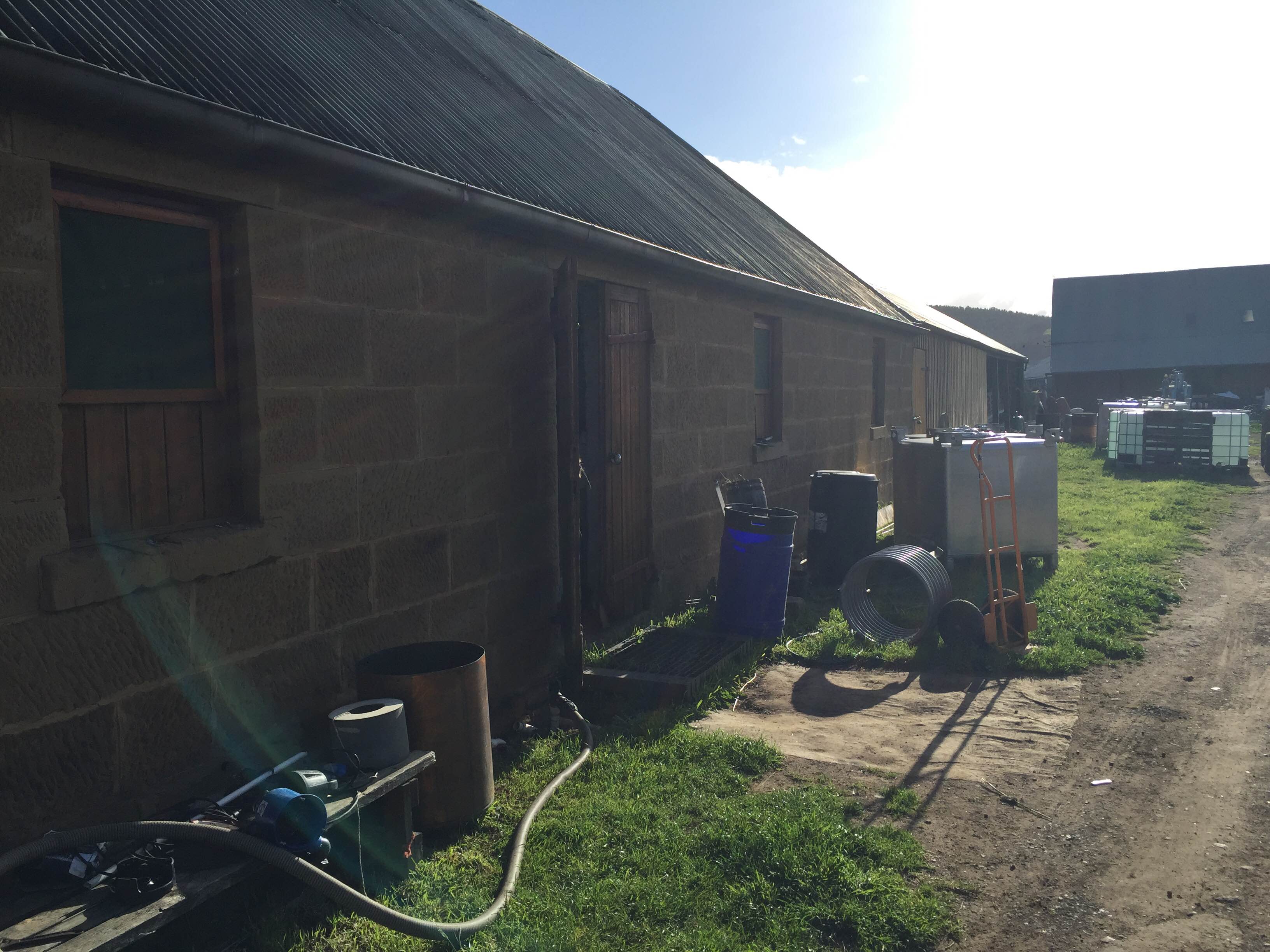
The much-extended old stables which house Belgrove Distillery

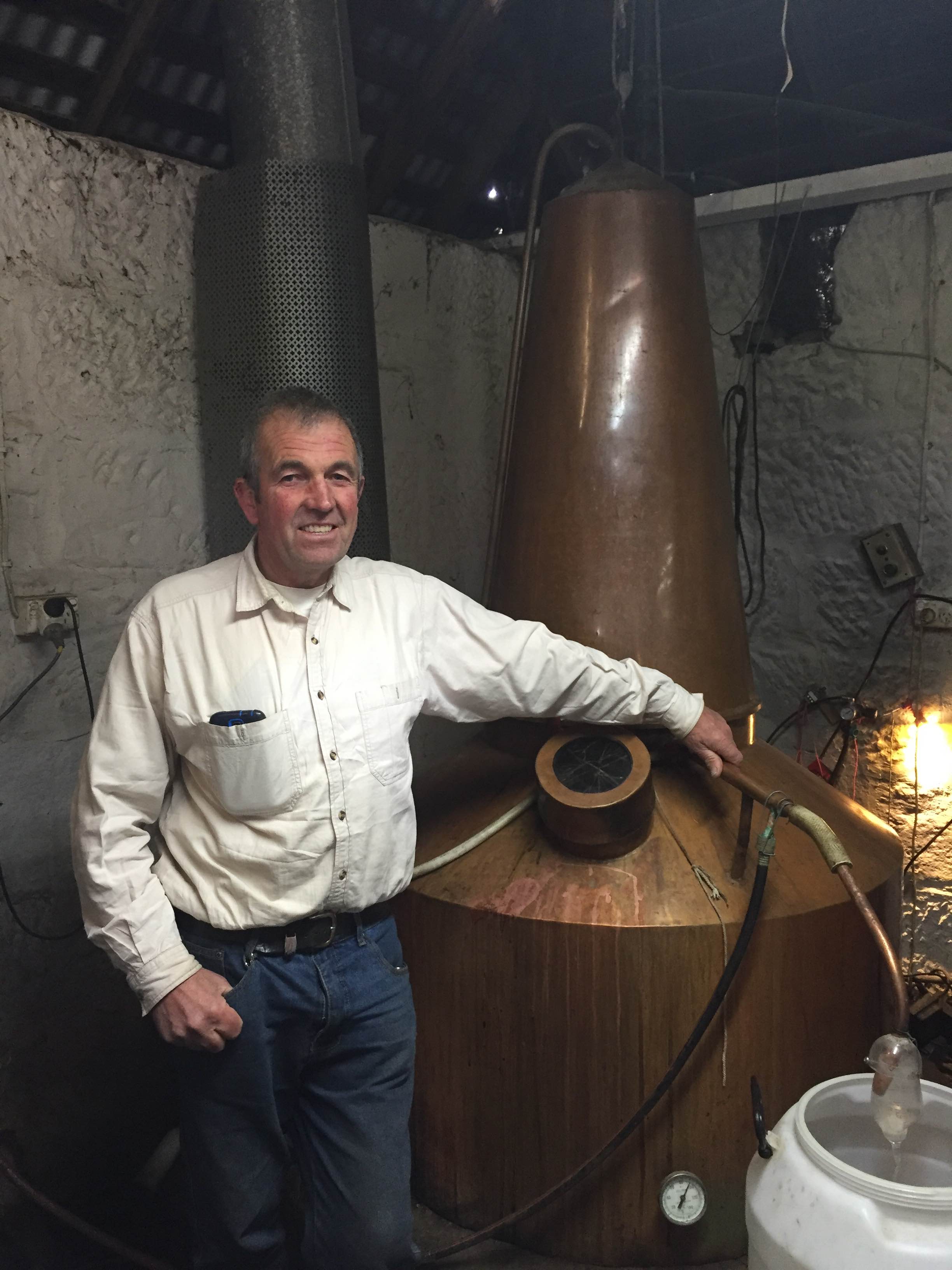
In our review we jokingly referred to Belgrove Distillery’s Peter Bignell as the da Vinci of distilling. When we visited him, we discovered that we were actually bang on the mark. Case in point was his method for powering the pump that injected homemade biofuel into the burner for the still: an old Sunbeam Mixmaster (usually on ‘Whipped Cream’ setting!).

belgrove-2-whisky-waffle

Apparently meringue-setting heated the still too much!

Our arrival at the distillery was actually rather hampered by some pesky road workers, who decided to dig up the highway in front of Peter’s driveway half an hour before we arrived. We had to call over a massive grader to flatten the surface enough to get the Alfa over (the troubles with low sports cars).

Belgrove distillery takes its name from the property, which is also a working farm. This was apparent as soon as we opened the gate and spied a flock of freshly shorn sheep, which we later discovered Peter had taught to eat leftover rye mash. Scattered around the old stables building that houses the distillery were various contraptions cannibalised from old washing machines, scrap metal and Russian Typhoon-class nuclear submarines.

belgrove-3

This one is made from the parts of Apollo 11 which fell to earth

The distillery, located just outside the southern midlands town of Kempton, is unique in Tasmania in that it predominantly produces its spirit using rye instead of barley. The story goes that Peter had a spare paddock full of rye that needed using and so decided to turn it into whisky. Rather than buy expensive new equipment, and prescribing to a reuse and recycle ethos, he instead decided to build everything himself.

belgrove-4-whisky-waffle

Including this glorious piece of copper!

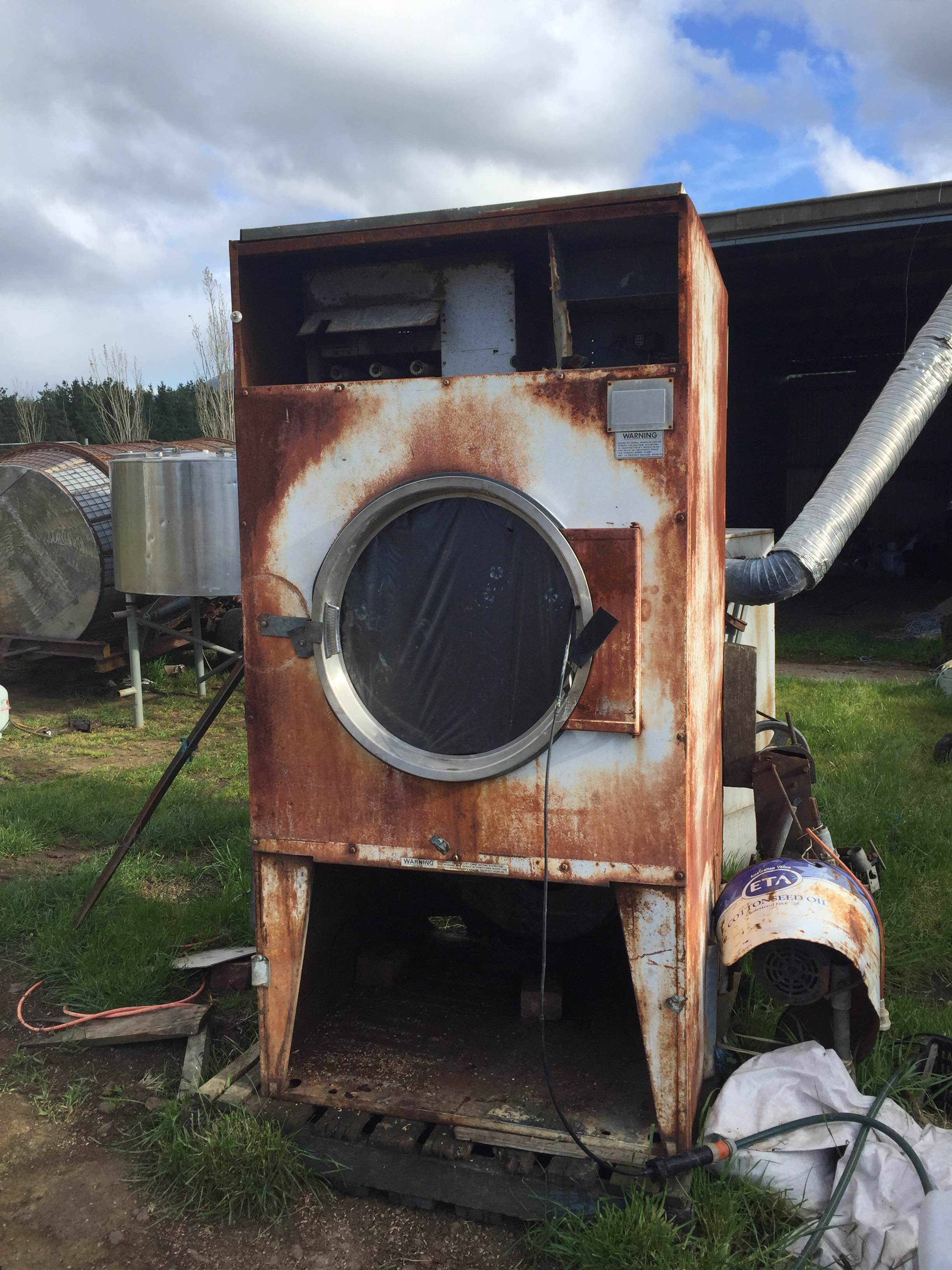
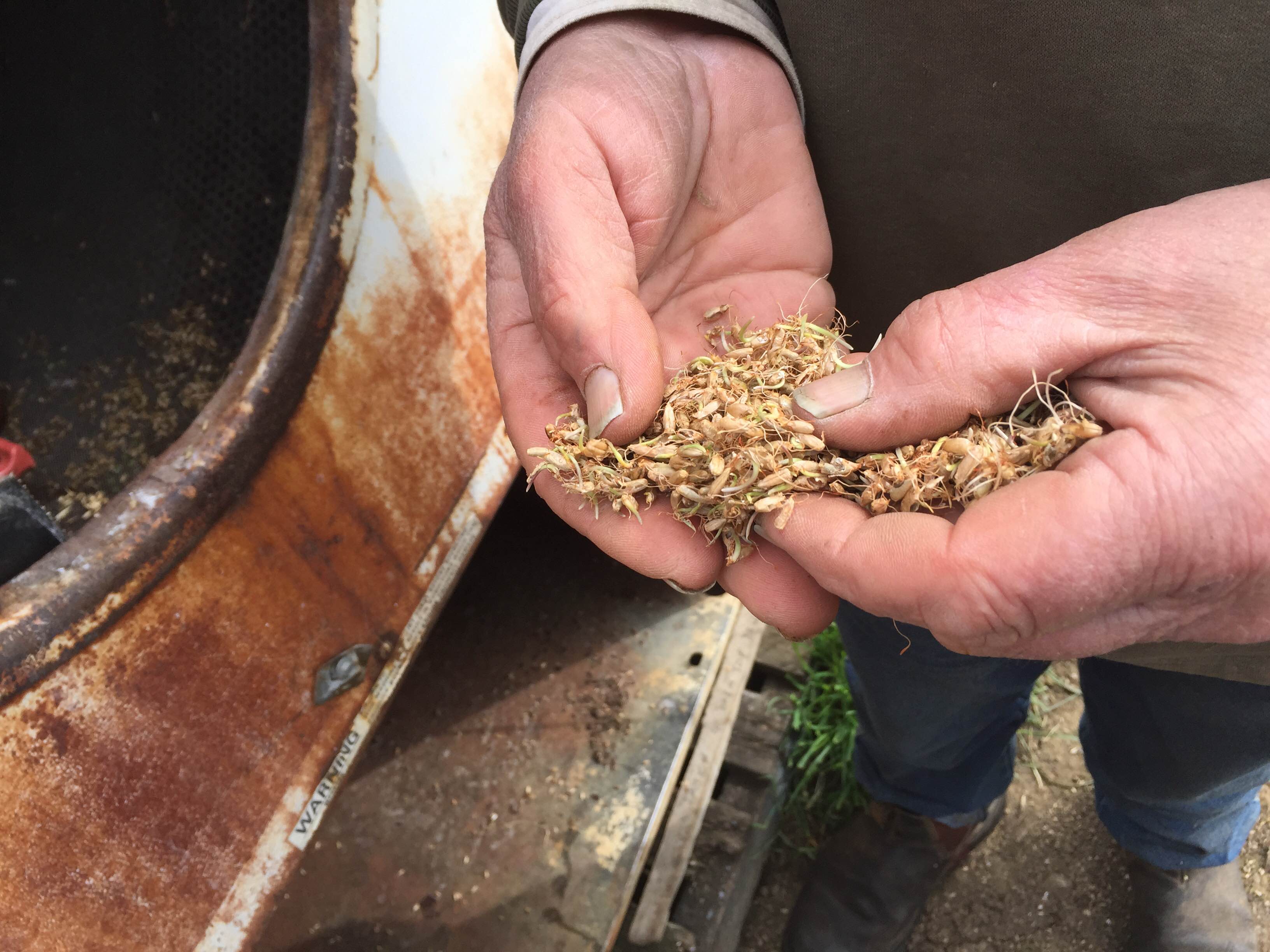
We need to stress that home-made doesn’t mean rubbish; the malter/peat smoker crafted out of an old tumble dryer is a work of genius, and the mash tun is perfectly functional – until it gets clogged up by the huskless rye that is. Peter quipped that when this happens he has to put the old wooden paddle appropriated from his kids’ dinghy to work to unclog it (he’s changed both the handle and the blade three times apiece, but maintains it’s still the same paddle).

Peter has been a farmer his whole life, only turning to distilling seven years ago. He said that his university degree in agricultural science has been invaluable, allowing him to exploit the science behind the art, although he doesn’t downplay the role of the natural yeasts and bacteria that inoculate the mash, which he refers to as Belgrove’s unique terroir. Peter is completely hands on with the whole process, from growing the grain, to the distilling, the bottling and especially the tasting.

belgrove-5

Peter is clearly a hands-on farmer

Luckily enough we were able to join him in tasting a variety of interesting spirits, including rye, barley, apple hatchet (distilled apple cider), ginger hammer (distilled ginger beer) and even an experimental batch of eau de vie that Peter was trialling for Tasmanian Cask Company’s master cooper Adam Bone, who dropped by to check on proceedings. The range was varied, exciting and specific to Belgrove, and it was inspiring to be able to taste such contrasting flavours produced in the one place.

We did however have our favourites; the rye at 47%, Pommeau (apple hatchet cut back with apple juice) and especially the Pinot Noir matured rye at cask strength, of which we took home bottles #1 and #2 of a new barrel. However, revelation of the day was the 100% malted barley smoked with peat from the previously untapped bogs in the north-east of the state. Good people of the world, are you ready for Tasmania’s answer to Scotland’s Islay? Well, it’s maturing in Peter Bignell’s bond store at this very moment.

img_5879

Nick filling bottle number one!

While Peter is expanding the old stables to house a new still and larger malting equipment, he still resolves to remain stubbornly small scale, championing the merits of a hands-on approach. He muses that “big distilleries only care about how much whisky per kilo of grain they can get. I’m trying to get the most flavour.” From our all too brief visit, it is clear that he is succeeding in that vision.

Tasmania is home to many distilleries, big and little, but perhaps none is more eclectic and fascinating to explore than Belgrove.

img_5885

Don’t worry, Ted. Someone has to have bottle number two!

Highland Park 18 Year Old

Reviewed by: Nick

Highland Park 18

As whisky fans, we regularly battle to be objective in our tastings to ensure our feelings don’t influence our perceptions of a whisky’s quality. And yet other times we simply say “screw it” and go with our hearts. The Highland Park 18 Year Old has a long list of awards to its name, but for me, it’s a little more special than that.

The distinctive (duck-egg) blue wallpaper gracing the background of our review photos is part of my recently built library (AKA whisky room) in my recently built house. And throughout the exciting building process the Highland Park 18 was there all the way. It was the first bottle cracked under my roof – before the walls were even finished! It was brought out again and shared with m’colleague on the night I moved in. Then at the house warming, surrounded by my best friends, it came out once more and toasted my new abode.

So with all these great feelings associated with the bottle how could I possibly write an objective review? Put simply, I can’t. But you know what? Screw it.

The nose is delightfully coastal and sherried. It is particularly dry, and bursts with raisins, prunes and smoked salmon. A dash of smoke hits you on the palate before quickly subsiding and giving way to grapes, cherries, peppermint and salami. The finish is long and contains an oakiness which calls to mind old wooden furniture.

If I was served this whisky blindly at a tasting then who knows if I would have the same sentiments towards it? What’s important for me is that now I’ve made these associations, I will continue to enjoy this whisky whole heartedly. And maybe you’ll love it too – especially if the happy memories you attach are your own.

★★★★

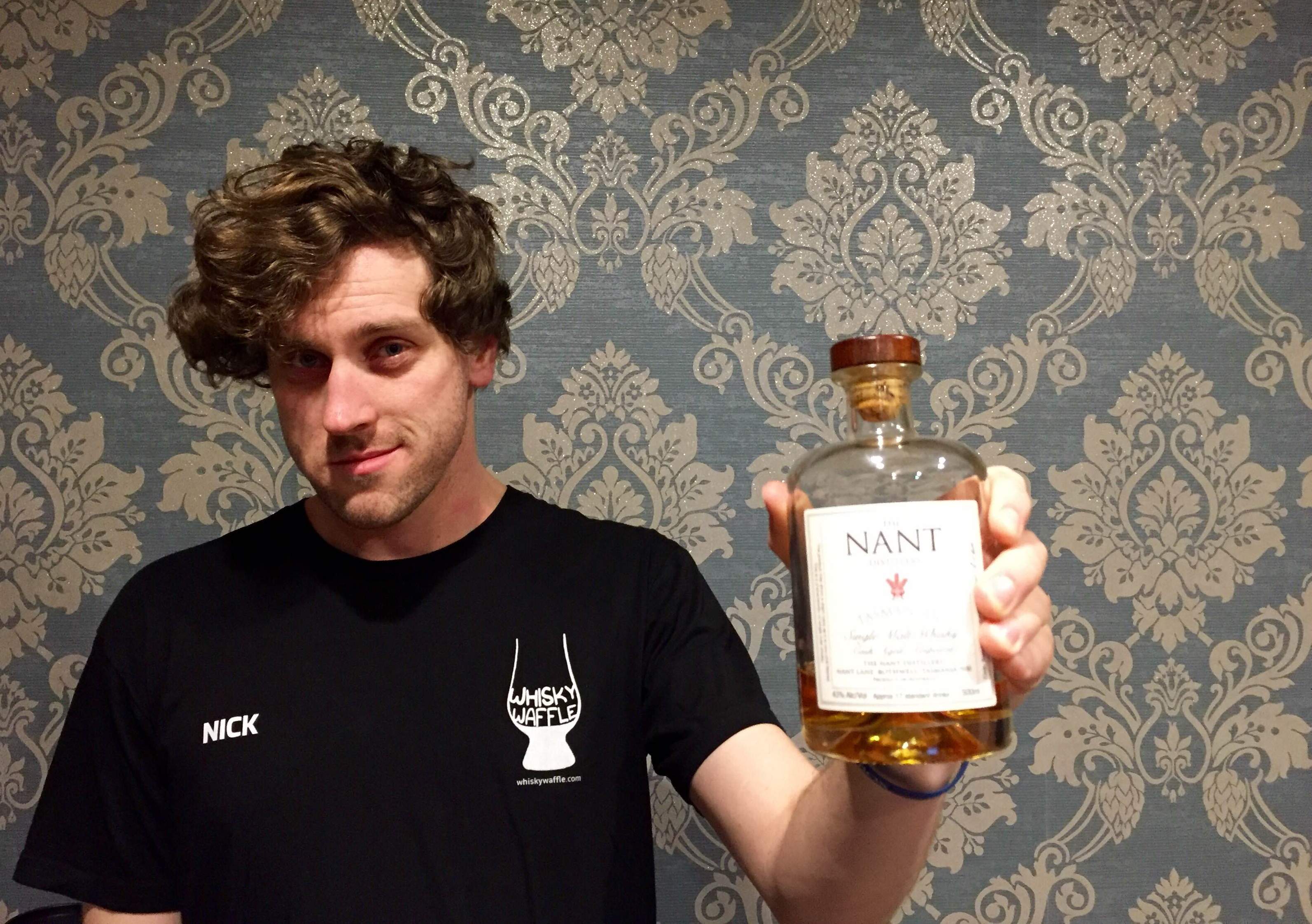
Nant Sherry Wood 43%

Reviewed by: Nick

Nant Sherry Wood 43%

I imagine the founding of Nant distillery by Brisbane businessman Keith Batt, went something like this:


“What do you want for your birthday this year, honey?” asked Mrs Keith. Keith thought for a moment.

“I’m torn between a Caribbean island, a bar-franchise and a horse,” he replied, not a drop of irony on his face.

“A horse?” replied Mrs Keith, “where on earth would you put one of those?”

“Well obviously I’ll need to invest in some property to store it in – preferably somewhere exotic and remote.”

“How about Peru? Then I can get a Llama!”

“Yeah, I’m not so keen on the ponchos or  folk music. Tell you what, how about we stick the horse in some old paddock in Tasmania and I’ll also get the bar-franchise?”

“Alright, fine. But you may need to think of something to do with the property down in Tassie.”

“Oh, don’t worry about that. I’ll just stick in a whisky distillery and sit around fixing an old water mill until Jim Murray arrives.”


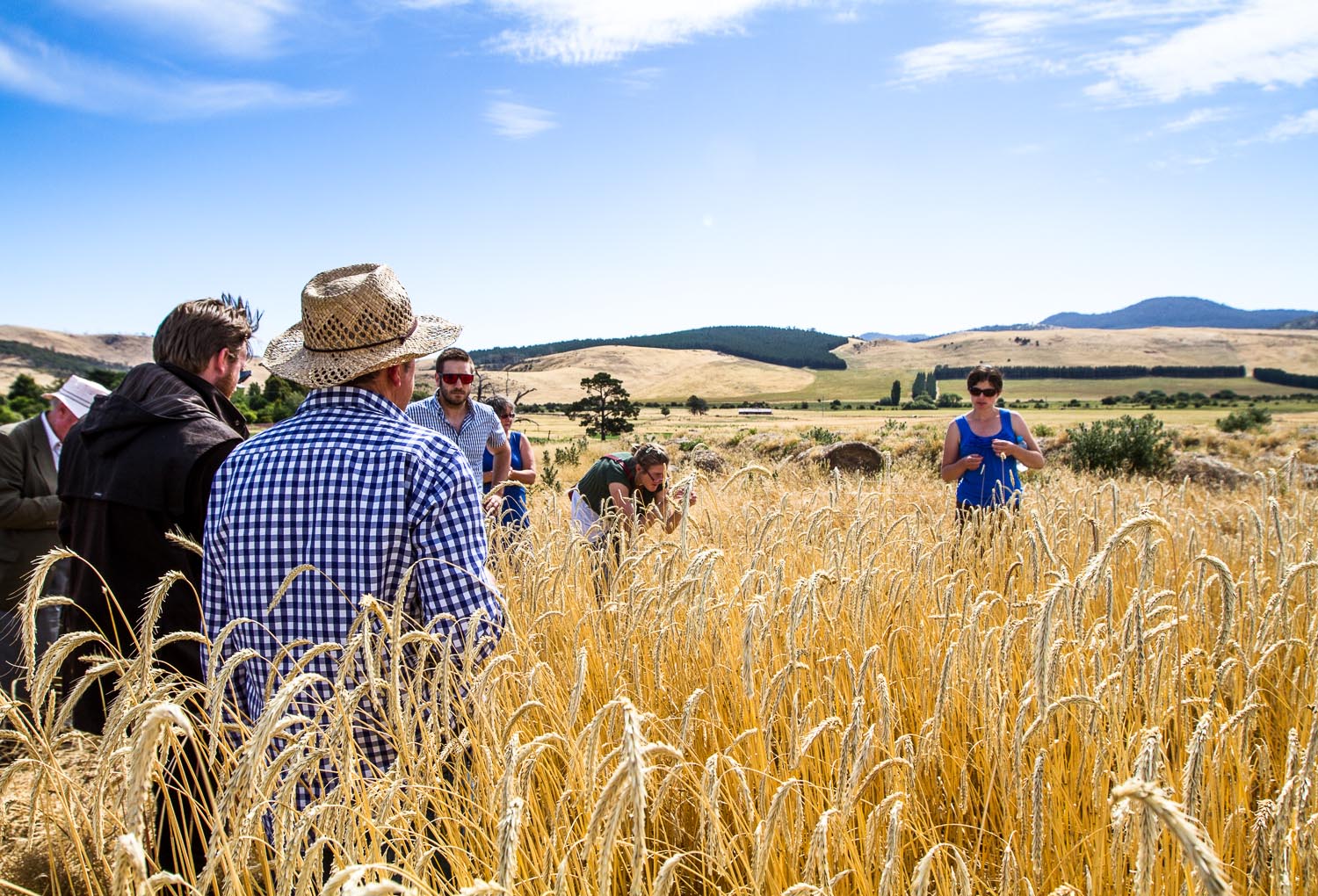
Of course I unquestionably make light of the momentous decision to build Nant Distillery up in the highlands of Tasmania – an establishment which I can confidently state is the most scenic of all Tasmanian distilleries. And as much as I can mock Nant’s business-like set up, I cannot downplay the excellence of its whiskies.

One of my favourite Tassie drops is the Nant Port Wood, a fantastic representation of the Tasmanian flavour, and the cask strength version of the Bourbon Wood is one of Tasmania’s finest whisky accomplishments. They also release a Sherry Wood and it is this expression I review today.

The nose is drier and earthier than any other Nant release. There are elements of vanilla, figs and golden syrup, but this is matched by moss and spicy oak. The palate is equally contrasting with notes of toffee, raspberry jam and plenty more oak, while mingling in the medium long finish are herbs and you guess it: oak, It all combines to form an intriguing and challenging Tasmanian whisky.

While I couldn’t claim this to be my favourite Nant expression, it’s certainly an interesting drop and one that I would never describe as boring. It forms an integral part of an increasingly impressive Nant back-catalogue. I guess then, it was well worth Keith Batt getting that horse!

★★★

Nant n Nick

Tasmanian whisky: One state. Three ingredients. Unlimited flavour.

#TasWhiskyWeek

Booker Noe’s Special Barrel Bourbon

Reviewed by: Ted

Booker Noe's

Ok people, tread carefully, we’re hunting a pretty dangerous lil’ beastie today and I wouldn’t like to see anyone lose a leg. It’s got a strong nose, a powerful kick and a bite worse than the biggest, meanest black bear you ever did see. What am I talking about? Why, Booker Noe’s Special Barrel Bourbon of course…. Look out! *crunch*

This big hitting bourbon takes it’s name from one of Kentucky’s most beloved sons, Booker Noe, grandson of the great Jim Beam himself. As master distiller at Jim Beam for many years, and a child of one of America’s greatest whiskey dynasties, Booker had an innate knowledge of the spirit he crafted. As a testament to his skill he selected barrels of special character to create an expression bearing his name and personal taste.

According to Booker’s note on the bottle label, his grandfather preferred his whiskey to be aged between 6-8yrs. My bottle, containing batch C04-A-28, hits that mark perfectly, being aged for 7yrs and 4months precisely. What really gives the Booker Noe its teeth is that fact that it’s bottled straight from the barrel. Therefore the bottle of dark, uncut Kentucky spirit sitting before me is a hefty 64.55% abv, or 129.1 proof in the American money.

I make no joke about the potency of this stuff, as it’s responsible for some of the few alcohol induced blank spots in my memory. Just to hammer the point home, our women folk are generally pretty indulgent and tolerant of our whisk(e)y drinking proclivities. Yet when the Booker comes out, or even if there’s vague hints of it, stern looks and muttering along the lines of ‘Oh God, you’re not drinking that stuff again are you? Remember what happened last time?’ occurs. Suffice to say, m’colleague and I have not been found in the best shape afterwards.

Yet, even after all that, there is something about the Booker Noe that keeps drawing us back. It’s the bold, gutsy, manly nature of it I think. Bourbon in the raw. The nose is solid, a big slab of dusty corn sweetness that drops down on you like a sack of, well, corn. Of course, because of the strength there’s an undertone of nail polish remover, but it blends well with the sweetness, only frying the occasional unsuspecting nose hair.

The taste is bold, taking a big, sharp, sweet, fruity swipe at your palate. The spirit fills the mouth, making your cheeks tingle and the blood rise. The finish is oaky and sour, and keeps you pinned down until it finishes punching you in the face.

Booker Noe’s Special Barrel bourbon is the American spirit at its brawniest. It’s creator was a larger-than-life figure and his bourbon certainly lives up to that legacy. Hunt the wild Kentucky beast if you dare, but be careful it doesn’t bite you too hard. But maybe it’s just like the note I stuck on the box says: “Because I like to live… dangerously.”

★★★

Tasmania and Whisky Waffle launch Tasmanian Whisky Week

Posted by: Nick

It seems we Wafflers are not the only ones who love Tasmanian Whisky! We reported recently that Whisky Live is coming to Tasmania for the first time. But, why stop there? The Tasmanian whisky community has decided to crash the party and create the inaugural Tasmanian Whisky Week.

TWW Logo

While we say ‘week’, it will in fact last for nine days between Friday July 22 and Sunday July 31 and will feature a number of industry events at Tasmanian distilleries, bars, restaurants – even barns! Throughout the week a number of distilleries will open their doors to host tours, rare whisky tastings, gourmet meals and more. You’d better hurry, though – tickets are selling fast!

Of course, Whisky Waffle will also be taking part in this week of festivities. Throughout the seven days leading up to Whisky Live we will be releasing a series of articles and reviews celebrating some of our favourite Tassie drops. Even if you are from another part of the world, log on to Whisky Waffle throughout the week to celebrate along with us.

Hellyers Road Whisky Waffle

Two Hellyers Road Whisky Walks for the price of one!

Among the many events taking place are exclusive tours of Lark, Overeem, Sullivans Cove and Hellyers Road, or a combination of the above, with Drink Tasmania.

For something more extravagant why not check out the whisky and cheese afternoon at Redlands, a whisky and food matching masterclass at Launceston Distillery, or the Shene Estate after dark tour.

Mackey Shene photo Paul County

Mackey AND Shene Estate! Wait… they’re the same thing? Picture courtesy of Paul County Photography

Perhaps you’re after something a little stronger, such as trying a range of amazing Heartwood products – or maybe you’d like to try some boilermakers with Belgrove’s Pete Bignell and his son, brewer Tom Bignell. Nant are not missing out either, hosting a meet-the-distiller two course lunch.

For those looking for something even more special, there is the Founders Dinner, a three course meal complete with rare Tasmanian whiskies and four of the most important men in the business: Bill Lark, Casey Overeem, Patrick Maguire (Sullivans Cove) and Mark Littler (Hellyers Road). If you have a little more time and money, there is the option of a two day jaunt around the Tasmanian highlands, visiting multiple distilleries and the very location of Bill Lark’s epiphany.

Drink Tas tour

Brett Steel, Pete Bignell and some happy whisky drinkers on a Drinks Tas tour

Finally, there is Whisky Live, the catalyst of the week and a compulsory visit for fans of Tasmanian and Scottish whisky alike.

It’s going to be a huge week. Our only regret is not being able to attend each and every event. One thing is for sure however – when it comes to Tasmanian whisky, there is a lot worth celebrating!

Wafflers and Brett

Cheers Brett! Tas Whisky Week. Let’s do this!

Glen Moray Port Cask Finish

Reviewed by: Nick

Glen Moray Port Cask

As an out and proud fan of Glen Moray distillery and a waffler known to be partial to a little port matured whisky, the Glen Moray Port Cask Finish sounded like the perfect dram for me. Combining the sweet elegant Speyside flavour with a rich wine-infused layer – what could possibly go wrong? As it turns out: quite a lot.

Upon its arrival at my door, I eagerly whipped the bottle out of its box and was greeted with the most peculiarly coloured whisky I had ever seen. I’ve observed variations of the (hilariously unintentionally poetic) “burnt crimson” theme before, but this whisky was – and there’s no more accurate description – orange. It was the kind of radioactive-peach hue normally reserved for fake tan. Alarm bells were ringing – but I didn’t want to fall into the trap of judging a book by its colour. There was only one thing to it – I had to try some.

After the first sniff it was clear that I was not trying a regular Speysider here. There was a lot of fruit – by which I mean a veritable orchard’s worth – and it was overripe, perhaps on the turn and ready for the compost heap. There were some bitter dark chocolate notes as well as equally bitter notes of wet grass. All in all, it was… shall we say memorable.

Surely the palate would be an improvement. And it was, albeit slightly. It was sweet and sticky with strong winey notes combining to form something reminiscent of strawberry jam. Don’t get me wrong, I love me some strawberry jam. Just this particular fruit spread was more Woolworths brand rather than homemade by my Grandma. The sweetness was more of a sugar syrup than a caramel and the vanilla more essence than extract. The finish started strongly with some nice blackberry flavours but descended into a rough spicy alcohol burn, surely a product of its youthful non-age statement nature.

Wow.

I did not love this whisky nearly as much as I expected. All things considered it was more than a little, well, rubbish. However, I can’t say I’m unhappy that I bought it. Scotland is hugely diverse in its drams and this is as far removed from an elegant Speyside drop as an Islay peat monster. Unfortunately in this case – the differences are not for the better.