Author: Whisky Waffle

Two lads from North West Tasmania who drink way too much whisky and then use way too many words talking about it.

The Devil Went Down to Moonah: Devil’s Distillery Releases Hobart Whisky

Posted by: Ted

Strolling past the shabby brick warehouse on the outskirts of central Hobart, glancing briefly at the fading letters on the wall declaring ‘Tasmanian Egg Farms’, you would be forgiven for thinking that it was just another derelict industrial site. However, the warm scent of malt drifting out of the rear loading dock and along the street suggests all may not be as it seems. Spirits lurk inside… Devilry is afoot in Moonah.

I recently had the opportunity to drop by Devil’s Distillery and catch up with manager John Jarvis. We had last met in my home stomping ground of Burnie at an event showcasing their Tasmanian Moonshine Company brand. Mutterings of nearly mature whisky had reached my ears and piqued my curiosity. Now, like a member of Mystery, Inc., I had the chance to enter the Devil’s lair and unmask the truth.
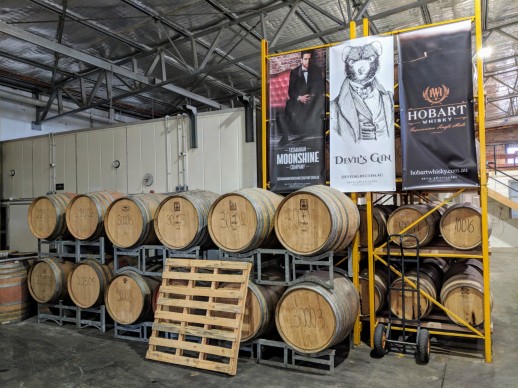
Devil bond

Hungarian origin barrels resting in the Devil’s Distillery bond store

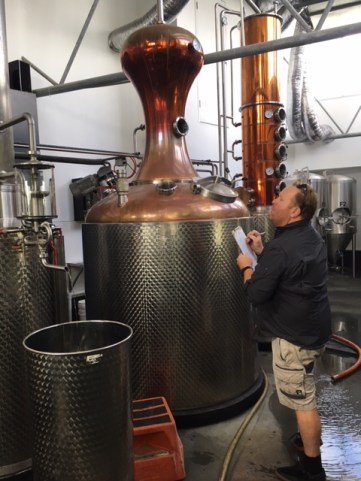
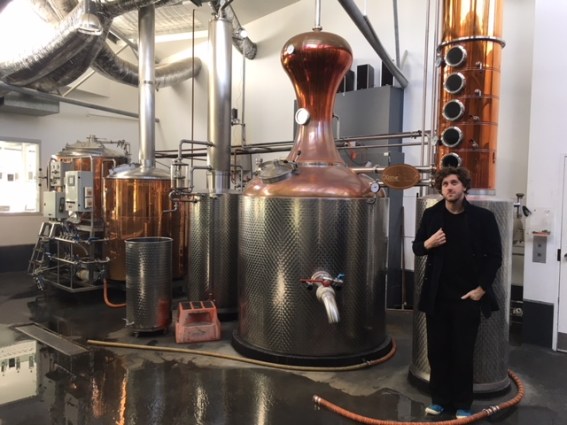
Hidden inside the old warehouse is a burnished copper Knapp-Lewer pot still, a squat stainless Coffey still, some wash tuns made out of re-purposed milk vats and a small trove of casks nestled on brand new yellow pallet racking. Tending to the equipment are minions Ben and Gus. “Sorry about the chaos,” comments John “We’ve been sorting things out and doing some renovation.”
“It was worse when we didn’t have the racking,” chips in Gus “there were pallets of barrels stacked randomly all over the place.”
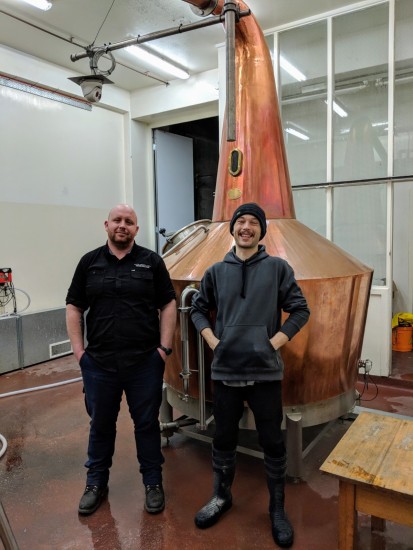
Devil distillers

John and Gus 

The barrels in question are a combination of 20L, 40L, 100L and 300L casks. Some are sourced from Australia, others interestingly hail from Hungary, but all will be left to rest until the contents have transmuted into whisky. John enjoys experimenting with the different cask types they have amassed, including port, sherry, bourbon, tokay and pinot. “Every release will be different. I’m still learning, but that’s all part of the challenge and it’s good fun being able to sit down and figure out what works best for a particular release.”

Down the far end of the building are some offices with a mezzanine space above. Ascending the stairs we find an angular wooden bar, a long wooden tasting table and handyman hard at work sanding the reclaimed timber floors. Once finished, the mezzanine area will form a private tasting bar for the distillery where guests can come by appointment, relax and try the products on offer. I notice that one patch of the cinder block wall looks different to elsewhere. “Rocky (Caccavo), the owner, decided that he was going to polish the blockwork, so he grabbed a grinder and started going at it,” laughs John “the dust was horrendous though, so I think we might just render it now.”
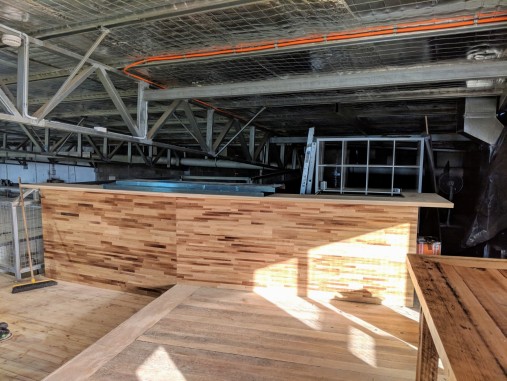
Devil bar

The new bar on the mezzanine

Looking out over the space, I can see that it is rapidly filling up with barrels and other paraphernalia. “We don’t have any immediate plans for expansion.” Explains John “We’ll need to get some off site bond space obviously, but at the end of the day we’re a small-scale craft distillery. Quality over quantity. It’s a great location though, just a stone’s throw from the city in one direction, and a stone’s throw from MONA in the other.”

We head downstairs to John’s office, where a shiny new bottle of whisky is waiting patiently for our attention on the desk. Devil’s Distillery is releasing its single malt under the label of ‘Hobart Whisky’, which is quite amazing for a relatively new distillery in the now well established Tassie scene. “When we were deciding on names, we were shocked to find that Hobart Whisky was still available for use. We’re really stoked to have it.”
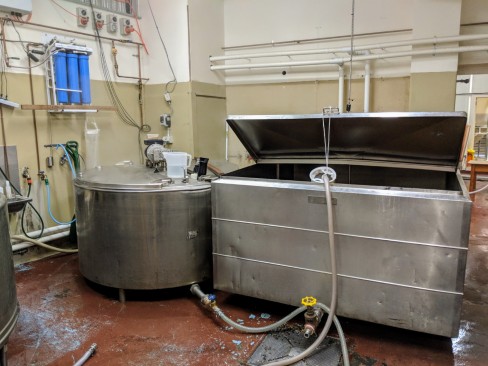
Devil vat

Converted milk vats for the win

The first release is a marriage of five 40l ex-Hill Rock Distillery bourbon casks aged for two years and seven months and bottled at 48.8%abv. The wash used in the release was sourced from local brewery Moo Brew, however future releases will contain wash made in-house at the distillery. When sourcing the casks, the cooper recommended that the staves be left intact without shaving or re-charring, allowing the new-make to fully interact with the original Hill Rock character.
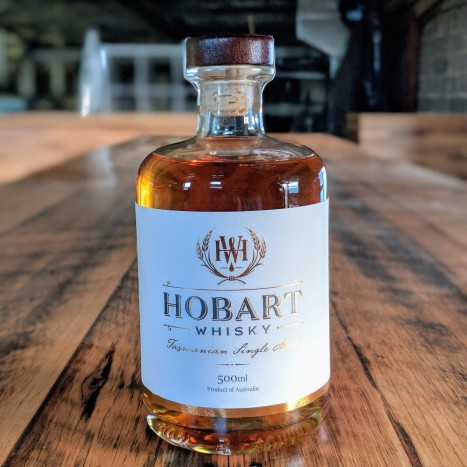
Devil whisky

Hobart Whisky first release

This is evident in the whisky, with the spirit showing a much redder hue than you would necessarily associate with ex-bourbon casking, the white Hobart Whisky label contrasting nicely. On the nose the first release is sweet and creamy, with a bourbon-driven body of vanilla, butterscotch and light, dusty oak, as well as notes of maple, peach and lavender. The mouth is light, beginning with wood shavings, then transitioning to citrus, straw and the acidity of young stone fruit, before finishing with a delicate lingering sweetness.

Excitingly, the first release will make it’s debut during Tasmanian Whisky Week 2018, with the first public bottles available for purchase for $195. Most of the 430 bottle run will go directly to bars, so whisky fiends keen on securing one are advised to get in quick. As we wander out, John is excited for the future and how people will react to the whisky. “Everyone who has tried it has been really positive so far; the feedback has been encouraging.”
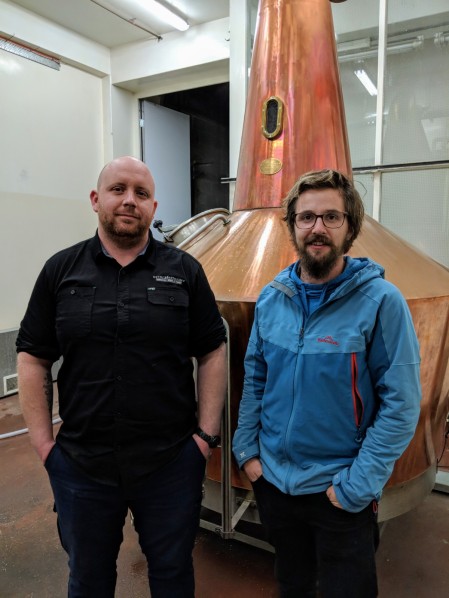
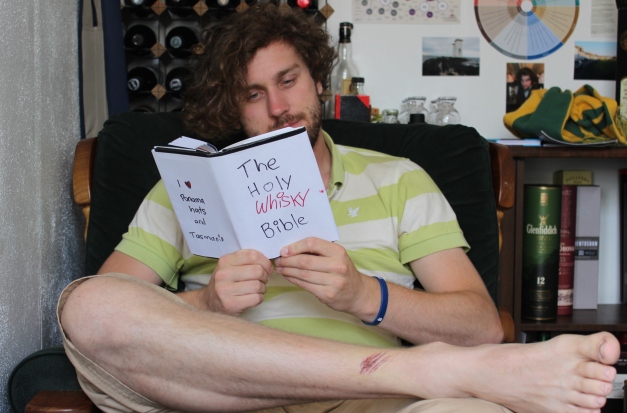
Devil blogger

The author meeting the Devil’s own Distiller

I came away feeling satisfied that I had unmasked the Moonah Devil as a young whisky of high quality and a promising future. Hopefully over time Hobart Whisky will grow into its name and become a flagship for the southern capital of whisky. John’s parting comment was encouraging in that respect: “At the end of the day I just want to be able to focus my attention on the whisky and make sure that everything we make is top notch.”

As they say, the devil is in the detail.

Limited bottles will be available for purchase during Tasmanian Whisky Week (13-19th August) at the Liquid Gold event on Thursday evening, Saturday afternoon at the Spirit Showcase and Sunday morning at the Farmgate Market.

Hobart Whisky 1st Release 48.8%:

***

Tasmanian Whisky Week 2018

Posted by: Ted


TWW2018


Good news wafflers, Tasmanian Whisky Week is returning once again in 2018 with a jam packed lineup of fantastic whisky related events! As the industry expands, so does the scope for celebrating the achievements of this home-grown success story. From the seed planted by Bill Lark’s epiphany-on-the-lake in the 90’s, the Tassie scene has blossomed ever since, with over 20 distilleries, as well as several independent bottlers, now in operation.

The 2018 edition of Tasmanian Whisky Week runs from Monday the 13th to Sunday the 19th of August. During the week, whisky fanatics and novices alike will have the chance to attend nearly 20 events all over the state (although thanks to high demand some of these are now sold out). Some highlights of the week include:

MarkDrink

Northern NightEnjoy a night in the North with Adam’s Distillery, Corra Linn Distillery, Fanny’s Bay Distillery, Launceston Distillery and Ironhouse Distillery as they share their journeys and their whiskies at Saint John’s Craft Beer Bar.
Midlands MasterclassMeet the makers from the midlands! Enjoy a night of tastings from Belgrove Distillery, Old Kempton Distillery, Shene Estate and Nant Distillery in the beautiful sandstone surroundings of The Den in Salamanca.‘ (Sold out)
Liquid Gold at Gold BarIndulge in the liquid gold of Lark Distillery, Spring Bay Distillery, McHenry Distillery and Devil’s Distillery under the lights of the Gold Bar atrium.‘ (Sold out)
Tasmanian Spirits ShowcaseThe … Showcase brings together 20 Tasmanian craft distilleries for tastings, food, entertainment, and coopering demonstrations from Tasmanian Cask Company! The perfect event for fans of all and any spirits, this is not just a whisky-lovers showcase.
New Make NightThe Tasmanian Spirits Showcase brings together 20 Tasmanian craft distilleries for tastings, food, entertainment, and coopering demonstrations from Tasmanian Cask Company! The perfect event for fans of all and any spirits, this is not just a whisky-lovers showcase.
Founders NightSpend an evening with the founding distilleries of the Tasmanian Whisky Industry, and hear stories and experiences from the founding fathers themselves, … savouring whiskies from Lark Distillery, Overeem Distillery, Sullivans Cove Distillery and Hellyers Road Distillery.‘ (Sold out)

Whisky Waffle will be getting into the spirit (ahem) of the week by showcasing a few of the newer distilleries that have recently celebrated their first releases (including one that is making its debut during Whisky Week!), so keep an eye out on the blog.

LarkBarrels

Head over to the Tas Whisky Week website to get all the details of all the events and participants and make sure you find some time this week to celebrate one of the finest whisky industries in the world. Even if you can’t make it along due to geographical distance or lack of time, make sure you raise a glass of fine southern single malt and give a hearty toast to Tasmanian whisky!

Visit https://taswhiskyweek.com/

Whisky Waffle go on holiday

Posted by: Nick

Nick packs

You can’t help but smile when articles on (sometimes) serious whisky blogs have titles which sound like Famous Five novels. But the headline does succinctly sum up what’s going to happening across the next month or so.

The holiday has already begun for m’colleague Ted who is off in South America, checking out the Amazon, walking the Inca trail and saying hi to the wildlife on the Galapagos Islands.

Ted and a Fish

While tomorrow, I am off on an equally exciting holiday – and one that may be of interest to you, my fellow Wafflers. I’m going to be spending six weeks travelling through Europe – including nearly a fortnight visiting The Motherland. That’s right, people: I’m going to Scotland!

While I’m there I will be filling my days with multiple distillery visits, including but not limited to: Balvenie, Glendronach, Aberlour, Glenfarclas, Glen Moray, Talisker, Oban, Bowmore, Bruichladdich, Kilchoman, Laphroaig, Lagavulin and Ardbeg. Naturally my reactions to all visits will be revealed on the blog in due course, though possibly after I’ve returned home. However, if you keep an eye on a social media pages – in particular Instagram – then you’ll get a taste of what I’m up to. Just not literally, sadly.

Anyway loyal Wafflers, thanks for your support over the years. We’ll be a bit quiet on the blog for a while but will return as strongly (and as sloshed) as ever in August.

Keep on waffling,

Nick and Ted

An evening with Laphroaig’s Dan Woolley

Posted by: Nick

Laphroaig Dinner 1

Dan Woolley only drinks whisky. Not beer, not wine, not vodka. Not even crème de menthe. Some would say he’s obsessed – himself included. His wife made him choose between her and whisky. He’s happily single now.

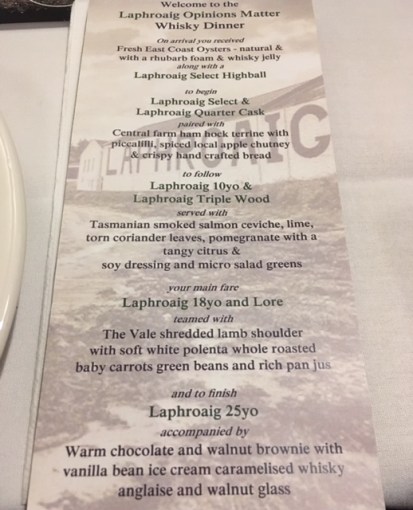
There is one whisky, however, that he obsesses over above all others: Laphroaig. He is one of the top brand ambassadors for Islay’s peated behemoth and I count myself enormously lucky to have spent an evening in his company as he talked us through seven (yes! Seven!) different drams of Laphroaig. While the majority of guests were enamoured by the smoky sensations in their glasses, not everyone was convinced. This is a fact Laphroaig have not only come to terms with but embraced, forming the theme of the dinner: Opinions. As Dan said: “if we all liked the same thing we’d all be drinking vodka lime and soda and I’d have killed myself a long time ago.”

Laphroaig Dinner 2

The Central in Devonport put on a fabulous event with many amazing courses all created from local ingredients. In particular the natural Spring Bay oysters went down a treat – particularly with a dash of Laphroaig Select cask dribbled on top.

The Select Cask was up first – an entry level for sure – but while sipping it I learned about the fascinating range of casks that went into creating it. A Whisky Waffle favourite was up next, the Quarter Cask, a whisky which spends the final nine months of its gestation in 100L barrels like a chain smoking baby.

Laphroaig Dinner 3

It wouldn’t be a Laphroaig night without the highest selling peated whisky on the planet: the 10 Year Old. Made to an “old family recipe” it packed the required peaty punch and is the ever faithful “backbone” of the Laphroaig flavour. Next up was Dan’s favourite, the Triple Wood. It was sweeter and fruitier than those that went before thanks to two years spent in Spanish Oloroso barrels.

Dan then laid down the Lore, a dram he described as their most ambitious whisky yet. Distillery manager John Campbell attempted to create a bottle of Laphroaig that tasted like what was offered 200 years ago. I can’t vouch for its accuracy, but it was certainly one of the tastiest and smokiest of the night. In the words of Dan, “it makes Port Ellen taste like Johnny Walker Red”.

Laphroaig Dinner 4

The final two drops were particularly special – made even more so by the lack of availability worldwide. Drinking the 18 Year Old and 25 Year Old was a weird experience as by this end of the night my palate had stopped noticing the peat in each dram and I was discovering subtle and nuanced flavours underneath. The 18 was lighter and mysterious, like chasing a nymph through an enchanted wood. The 25 was a Laphroaig dessert whisky – strawberries, white chocolate, whipped cream and other naughty indulgences. The peat was hidden away at the back of the palate and made me wish I could repeat the tasting the next day but in reverse order.

The night concluded in a truly memorable fashion, as every participant in the dinner was presented with a customised Laphroaig bottle to take away. Mine was particularly appropriate considering the tasting notes found within this very article. Dan graciously added his signature to the unique bottle, along with this piece of wisdom: “Do you know what the best whisky in the world is? Free whisky.”

Laphroaig Dinner 5

It was an educational and enjoyable evening, capped with a rousing toast which I can’t help but repeat: “LONG LIVE LAPHROAIG!”

Aultmore of the Foggie Moss 12 Year Old

Reviewed by: Ted

Maker:S,Date:2017-9-13,Ver:6,Lens:Kan03,Act:Lar02,E-Y

As romantic sounding Scotch Whisky names go, Aultmore of the Foggie Moss is definitely up there. You can almost feel the mist swirling around your body as you tread through a Scottish fen on a cool autumn morning.

In fact, the whole distillery is shrouded in an air of mystery, with its locale outside Keith (not a particularly romantic name admittedly) in Banffshire historically being the haunt of smugglers (at least according to the bottle and you can always trust marketing guff right?).

Founded in 1895 by Alexander Edward, owner of the Benrinnes distillery, Aultmore has had a tumultuous history, changing owners and being mothballed several times. For many years Aultmore production was used exclusively in blends, with only the occasional distillery release to excite collectors (apparently if you befriended the right people you could get a wee dram at the local pub too).

In more recent years Aultmore was purchased by Bacardi and placed under the stewardship of its subsidiary Dewars, who had actually previously owned the distillery for a short time during the 20s. In 2014 Dewars released ‘The Last Great Malts’ range, featuring distilleries used in their blends, including Aultmore (I suspect other brands may have a different opinion about Dewars owning the ‘last great malts’ however).

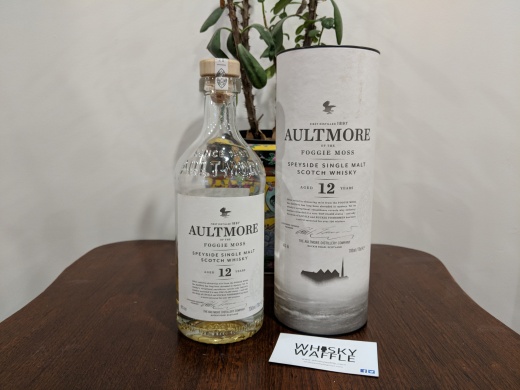
Typical of a Speyside dram, the 12 Year Old is a light gold/straw colour, while the 46% ABV strength is a nice surprise. The nose is light and sweet, with an abundance of grain, apples, grass, honey, lemon and a hint of polished steel at the end.

The flavour is bright and sharp, sparkling around the mouth, initially sweet before transitioning to dry at the end. Timber, grain, spice and lemon grass race across the tongue, while the finish is like Tom Yum soup, hot, sweet and sour all at once.

Thankfully, the experience isn’t like a puff of mist evaporating in the morning sun like some other exclusively bourbon-casked whiskies, with the delicate flavours given some much-needed depth by the higher bottling strength. If you’re looking for a decent drop that really embodies that light, floral Speyside style, then the Aultmore of the Foggie Moss 12 Year Old delivers just that.

★★★

An Evening with the Tasmanian Moonshine Company

Posted by: Ted

Group shot Whisky Waffle

Moonshine, of the liquid rather than the lunar variety, tends to conjure up images of rough folk with an equal number of teeth, brain cells and chromosomes distilling liquor through an old tin can and a car radiator in the backwaters of America. Da-da-ding-ding-ding-ding-ding-ding-ding… can you hear the banjos duelling in the distance? Somehow then, it seems rather incongruous to find a product calling itself moonshine hailing not from the Appalachian hinterlands, but Tasmania, Australia, home to a burgeoning high-class craft distilling industry. According to Tasmanian Moonshine Company (TMC) manager John Jarvis however, there is a very good reason their product bears that epithet.

I met up with John at the Spirit Bar in Burnie, where a small but enthusiastic crowd had gathered to try the range of products offered by TMC. Produced at Devil’s Distillery (est 2015) in Moonah, TMC uses 100% Tasmanian malted barley to create their spirit. Now, malted barley is of course what you use to make single malt whisky, but because the spirit released by TMC is less than two years old it cannot legally be called that.

John Whisky Waffle (2)

While generally a very friendly bunch, Tasmanian whisky producers are also very protective of the world-class brand they have created. To keep relationships on a good keel between all parties, John and his colleagues decided to steer away branding that could be misconstrued as whisky-related and fittingly call their product moonshine, a traditional name for any unaged or underaged spirit.

TMC produces a range of products on their 1800l pot still and 380l reflux still, including Vodka and Tasmanian Mellifera (a spiced honey and citrus liqueur) as well as Cold Drip Espresso Coffee Liqueur, Tasmanian Midnight (a fennel based liqueur similar to ouzo or arak) and their frankenstein fusion child, the Licorice Infused Coffee Liqueur.

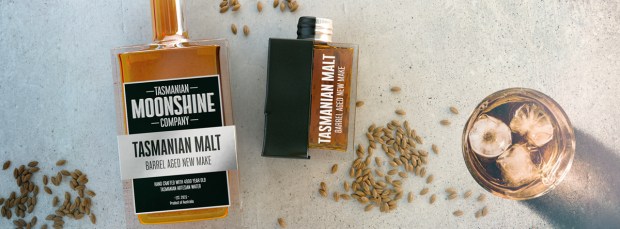
Of more interest to whisky drinkers is the Tasmanian Malt Barrel Aged New Make. After spending a relatively short time developing character under oak, the Barrel Aged New Make is released at around 18 months of age.  It’s youth actually works in its favour according to John; “we wanted to make something to fill a hole in the Tasmanian market, something that we don’t have to sit on, can release quite regularly and that is easily accessible. Prices in Tasmania for single malt can be crazy… I don’t think there’s really any other products at the price point we are aiming for.”

Moonshine Whisky Waffle (2)

John was also keen to talk about the interesting casking employed by the distillery: “My head distiller just wanted to do one cask type, but I like to experiment. As well as ex-bourbon American oak barrels, we also have other casks like sherry, port and tokay that are made from Hungarian oak sourced directly from Hungary by our cask maker. I definitely think there is an effect on the resulting flavour;  I’ve heard people are asking to get hold of Hungarian casks now too.”

When each 300l cask is deemed ready to release, around half the contents are decanted, with the remainder allowed time to develop further before leaving home. The casks are also tapped according to what the distillers feel is ready at the time, meaning that the character of the spirit changes from release to release. Interestingly the cask type is not actually mentioned on the bottle, so punters will be kept on their toes, but John is sanguine about this fact, commenting “we’ll never be able to make the same product indefinitely anyway, unless we move away from single barrel releases and start vatting, so I think it’s fine.”

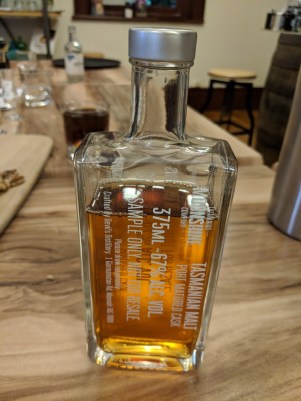
On offer that evening was a Hungarian oak tokay cask release at 43% abv and a Hungarian oak port cask release at a rather sexy 67% abv. On the nose the tokay was smooth and sweet, with notes of leather and beeswax, while the port exuded caramel, rust, red meat and dark timber. On the palate the tokay was crisp, lively and herbal, while the boozy port delivered red wine tannins, pepper, honey glaze and oaky notes.

barrel aged Whisky Waffle (2)Barrel aged Whisky Waffle

As well as the depth of flavour, the colour was also pretty impressive for spirit of that age; “I’ve actually had arguments with people who think we colour our spirit,” remarked John “but of course we don’t, it’s all from the good quality casks we use.” While definitely young tasting, I can report that both Barrel Aged New Make releases had a surprising completeness of character that was very pleasing to the senses and left an impression of finished and polished product rather than an undercooked malt spirit just released as a cash grab.

Of course, this would suggest that Devil’s Distillery is able to produce a very high quality new make and fortunately John had some on hand for us to try. Even more exciting was the fact that he had two different cuts of the new make, one containing pure hearts and the other with a mixture of hearts and tails (this sentence probably sounds a bit disturbing to anyone who is not familiar with spirit production)!

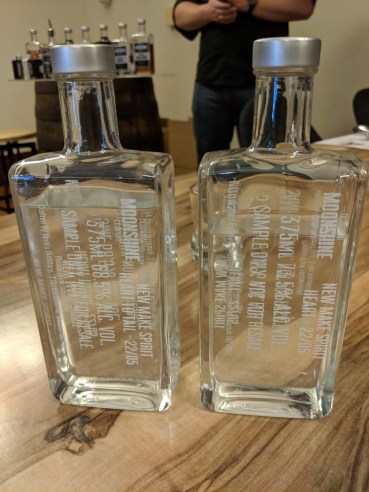
Hearts or tails Whisky Waffle

The hearts were not for the, er, faint hearted, bottled off the still at an eye watering 73.5% abv, while the heart/tail mix was positively tame at ‘only’ 68.5% abv. On the nose the pure hearts were light, sweet and delicate, with a nice graininess. In comparison the heart/tail mix was rubbery and as someone commented, smelt like a barn floor, which if you’ve never experienced it is a mixture of sweet fermenting straw and an underlying tone of, ahem, cow business. On the palate, the hearts were sweet, with a crisp, crystalline feel, whereas the heart/tails were once again rubbery, with vegetably, fermented grain notes.

The amazing thing was that, according to John, there was only about 20% run difference between the two cuts, demonstrating how much the character of the spirit changes over the course of a distillation. You may be surprised to know, however, that those funky flavours in the tails can completely change when you add them to the hearts and can be vital for defining the character of the finished product.

While TMC will continue to release its current lineup of moonshine products (although maybe grab a bottle of Tasmanian Mellifera as John says he’s sick of grating orange peel), down the track the company will also be leaving some spirit to age for a bit longer under oak until it ticks over that legal line and magically transforms into whisky. The first release is slated to be a 3yo 20l bourbon cask finished in Hungarian sherry oak and will be released under the label of ‘Hobart Whisky’ (“I still can’t believe we scored the rights to that name,” says John with delight). If the barrel aged new make is anything to go by, then the whisky is likely to be a cracker.

John Whisky Waffle

As the night drew to a close, the guests were left contented by a healthy dose of good company and excellent moonshine. While we tend to focus on malted barley that has been transformed into whisky here at Whisky Waffle (it’s kinda in the name), the Tasmanian Moonshine Company proves that if you start with an excellent malt spirit and make good use of your barrels, then ‘young’ doesn’t necessarily have to equate to ‘bad’, or ‘rough’, or ‘unfinished’, or whatever other label you want to throw at it.

I still want them to learn the banjo though.

Thanks to Kirk and the Spirit Bar crew for hosting the event and providing tasty cheese platters. Thanks to John and the Tasmanian Moonshine Company for making the trek up to Burnie to entertain us.


Investigating Iron House Distillery

Posted by: Nick

1

Michael Briggs, head distiller of Iron House Distillery is the most relaxed empire builder you are ever likely to meet. This is because he’s not an empire builder. He’s a bloke – who has just happened to build an empire.

Iron House is more than a whisky distillery. It is also a brewery and a vineyard, while the still is also used to create various styles of gin, vodka and brandy. With all these products on the go you’d be forgiven for thinking Iron House was an overly complicated business. Michael (or ‘Briggsy’ as he’s known to one and all) avoids this by sticking to one overarching philosophy: KISS. Keep It Simple, Stupid.

2

Iron House is located at the majestic White Sands Resort on the East Coast of Tasmania. The resort was purchased by Briggsy’s father-in-law some 15 years ago. The place was slightly run down and frayed at the edges but fell into hands willing to turn it into something special (although it is said by some that it may have been bought just to get access to the boat ramp!). Once the premise was secured the next phase in the plan was to create something to sell on the taps – which is where Briggsy stepped in, forming Iron House Brewery.

The name was derived from the location – the area was once a 19th century camp ground for those travelling from the south and allegedly became home to the first tin-roofed building on the east coast, or as the locals referred to it: the Iron House.

3

Once the brewery was up and running the next logical step was (of course) to make whisky. While this was always part of Briggsy’s plans, the creation of the distillery was borne out of necessity. The amount of beer production per year was exceeding their current market – and rather than expanding to the mainland or overseas, Briggsy decided the left over wash could be put to better use.

A still was duly purchased – from Germany via the USA – and it arrived in pieces with absolutely no instructions. Like a complicated box of LEGOTM, Iron House’s mechanical engineer Michael Aulich assembled it, guided by pictures he found online, and eventually Iron House became the proud owners of a copper column still and an oddly shaped pot still.

6

While Iron House has yet to release its first whisky, I was able to try some new make spirit (or, to quote Briggsy: “white dog”) fresh from the still. On the nose it packed that fruity high-alcohol punch, though on the palate it was grainy and cerealy (Weet-bixy, for my fellow Australians). It was full of character and intrigued me as to what it would become.

I got a small preview of this downstairs in the bond store. There are multiple barrels within that have been filled for more than 2 years, the minimum age for a whisky. However Briggsy labelled them “legally ready, but not Iron House ready”. His plan is to blend multiple barrels in a Solera system to create a consistent, accessible product. He is a big believer that Tasmanian whisky should not be out of the reach of regular people – from the perspective of both flavour and price. Thus we can expect to have to wait until mid 2019 at the earliest to see an Iron House single malt release (however to tie you over there is some delicious virgin-oak-matured brandy which is nearly ready!).

4

Briggsy admitted the biggest strength of Iron House is also its biggest weakness. White Sands Resort is found at the most spectacular coastal site and yet this location is over two hours drive from either of the state’s biggest cities: Hobart and Launceston. However, if you find yourself cruising Tasmania’s beautiful East Coast then a stop into White Sands and the Brewhaus Cafe & Bar is a must. The distillery and brewery are separated from the cafe by many large glass walls, through which you can witness the entire whisky making process. It is a truly memorable and worthy addition to the Tasmanian distilling community – and well worth a visit.

8

Whisky Waffle presents: EuroWaffle

Posted by: Nick and Ted

Night 5 Eurowaffle

HAAAALLLLLLLLLLLLLOOOOOOO EUROPE (and Australia)!!!

It is that time of year again where the entire Continent (and Australia) gathers together in the name of peace, love and whisky.

This year six nations will be competing to take out the 2018 EuroWaffle Whisky Contest, pitting talent, taste and Continental good looks against each other in the world’s most dram-atic contest. As usual, the night will be conducted with the highest integrity, with whiskies judged on their merit rather than for cheap political advantage.

This year the contest will be held in the country of Chapelonia, which stunned the world last year with their winning entry My Hipsters Don’t Lie performed by bearded sensation Andreai. Amongst the crowd will be several past winners, including Lordi (devils for a dram), Conchita (maker of Bearded Lady Moonshine), Alexander Rybak (who matures spirit in his violins) and those old ladies from Russia (you can make more than just bread with barley).

To get into the spirit of the night, the audience is encouraged to slip into their best Eurovision-inspired attire; there may even be a prize for the best dressed!

Tickets for EuroWaffle cost $40 and are available HERE or at trybooking.com. This will cover six European whiskies and cheese platters.

So come along and help us celebrate goodwill between nations and petty political point scoring while Eurovision provides us the perfect excuse to drink obscure European whiskies while dressed up as ABBA.

What: Whisky Waffle Presents: EuroWaffle

When: Saturday the 12th of May at 7.30pm

Where: The Chapel, Burnie

Who: The people of Europe

Why: Because Australia is part of Europe (apparently)

The Ultimate Top Three Introductory Whiskies

Posted by: Nick

z back up 2

One of the most commonly asked questions I see around the whisky-scented part of the internet is “I’m new to whisky – which Scotch should I buy?” (It’s always Scotch – never which ‘Lark limited-release’ should I buy. But I digress).

We Wafflers rarely get asked this question – I assume because our frivolity and general tongue-in-cheek nature voids us from such serious inquiries – but regardless, I wanted to share my own two cents worth. Why? Because I am unequivocally and without a doubt correct.

It is a big call I know, but I challenge any other objective-minded whisky fan out there to name a better collection of widely available single malts for a newbie. To be clear, one whisky alone is insufficient to demonstrate the depth and breadth of flavours available so I have naturally selected the smallest possible number of bottles: three.

So here they are, in a particular order (that is, the order in which they should be drunk): my top three introductory whiskies:

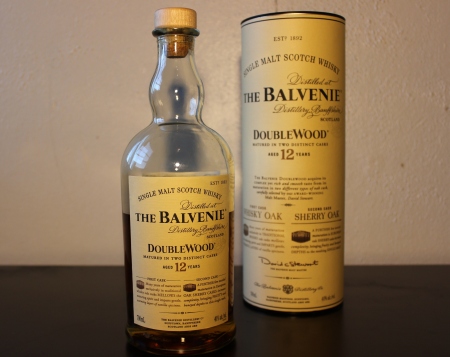
Number one: Balvenie DoubleWood 12 Year Old

Balvenie Doublewood 12 Year Old Whisky Waffle

This is the gateway drug. Balvenie produce a smooth and yet interesting drop which is one of the tastiest going around. It is fruity and vanillary, and packed full of the sweet caramel that we associate with Speyside. It introduces the elegance that typifies Scotland’s largest whisky region while also touching upon cask types and maturation. Is there a more perfect first drop? No, I can safely say there is not.

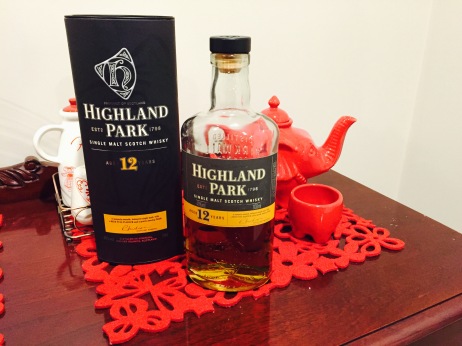
Number two: Highland Park 12 Year Old

Highland Park 12

Speyside is not entirely what Scottish whisky is all about. There is a vast array of flavours to be discovered from south to north and the Highland Park 12 Year Old showcases pretty much all of them! It is a proper all-rounder of a whisky, with a little bit of sweetness, a little bit of salty sea air and a little bit of smoke lingering in the background. Even though it is technically from the Islands region, it represents the Scottish Highlands better than most mainland distilleries and it an obvious choice for this list simply for its wide reaching flavour profile.

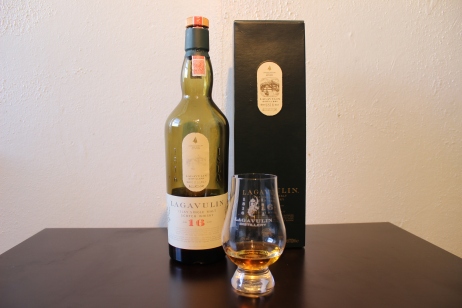
Number three: Lagavulin 16 Year Old

Lagavulin 16

Some people may claim it is unwise to include a heavily peated Islay malt among the top three introductory drams. Those people are of course wrong. Because upon taking one sip of the Lagavulin, the individual partaking in the tasting will either fall instantly in love – or decide very quickly that peated whisky is not for them and the Balvenie wasn’t so bad after all.

For m’colleague and I it was option number one – there is something truly special about peated whisky – and the Lagavulin 16 is the ideal selection. It is more than just a peated whisky – there are hidden flavours to be discovered due to a small amount of sherry maturation – and there are Nick Offerman videos to quote endlessly.

It may be divisive – but it may also be the key to truly ‘getting’ single malts. Plus this will give the opportunity for someone new to whisky to learn to pronounce ‘Islay’ correctly from the outset.

So there you have it: the ultimate top three introductory whiskies. Obviously it cannot be topped, but if you’d like to try, leave a reply in the comments and tell me your own top three. Or we could start a pointless twitter debate about it if that’s more your style.

If you are a whisky-newbie: you’re welcome. Check back in a couple of weeks when you’re a full convert and enjoy our other reviews!

Commence/keep on waffling!

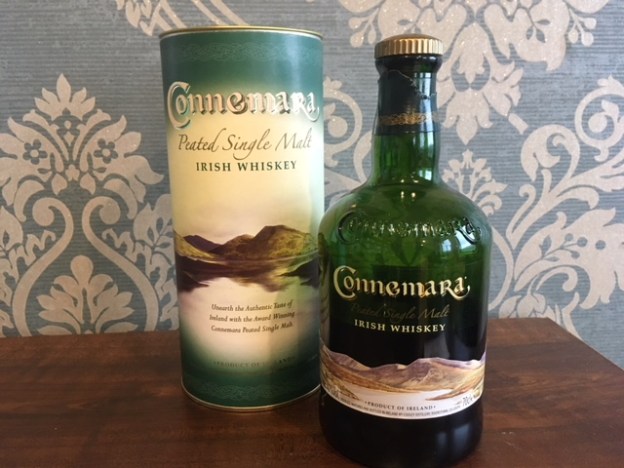
Connemara Peated Single Malt

Reviewed by: Nick

Connemara

Thought that Scotland was the maker of all the peat bombs in world whisky? Well Connemera is here to prove that theory wrong. There really is nothing like a good peated whisky… and this is nothing like a good peated whisky. This is a different kind of peat altogether and although I’ve had this bottle for a fair while now, I’m still not sure if I like it…

Connemara, like most Irish Whiskeys, is not the name of the distillery. There is some conjecture here – while current releases clearly state ‘Kilbeggan Distilling Co’ on their label, my own bottle informs me it was made at Cooley Distillery, a good 120 km up the road. However, I haven’t been sold a fake – Kilbeggan and Cooley are both under the ownership of Beam Suntory and in possession of similar stills, meaning I assume the end product will taste fairly similar either way.

I want to get onto the tasting notes now, because unlike most other reviews I write, the flavours I’ve identified form an integral part of the point I’m trying to make. This whiskey is weird. On the nose I get a hugely specific tasting note – which Ted backs me up on (or at least humours me with). My tasting note is bicycle tyres. Yep. Bicycle tyres. Fresh new ones! It’s nutty, earthy and overall: rubbery. It’s an acquired smell if that’s a thing.

The palate presents some more conventional ham and cinnamon flavours, alongside, not fruit… but vegetables, though I can’t quite pin down which ones. Broccoli perhaps, or turnip maybe (I’ve avoided the Irish cliché of saying potatoes). The finish is where all the smoke can be found – again accompanied by a burnt rubber linger. It’s all a bit bizarre on the first taste… and the second… and the third…

Connemara is a world apart from the delicate floral whiskies produced by much of Ireland and for that I thoroughly commend it. However, as far as peated whiskies go, I think I’m going to have to award this round to Scotland.

★★

#IrishWhiskeyWeek